
Loading your cart...

Tremella is a edible jelly-like mushroom studied mainly for its polysaccharides, and the interest centers on skin hydration, immune activity and, in one small trial, memory complaints. The honest summary: the lab and animal data are plentiful, the human data are thin, and no study supports calling tremella a treatment for anything. Below you will find what each line of research reports, what it can and cannot tell you, who should check with a professional first, and how to judge a tremella product on its label and lab report.
TL;DR
- Tremella fuciformis is the same mushroom as snow fungus, silver ear and white jelly mushroom.
- Most skin findings come from cell and animal studies. A few small human topical studies reported better hydration than a control.
- One 2018 trial of 75 adults with memory complaints reported improved subjective memory scores, but it is a single, short study.
- No established dose exists. Follow the product label and check with a healthcare professional, especially if you are pregnant, nursing or take medicines.
- US supplements are not approved for safety or efficacy before sale, so published third-party lab results matter.
Table of Contents
- What tremella is, and what to call it
- Why researchers study tremella: polysaccharides
- Tremella for skin: what is reported so far
- Tremella and memory: one small trial
- Immune support, inflammation and the other claims
- Side effects and who should check first
- How to judge a tremella product in the US
- Ways people use tremella
- Our range and how we handle evidence
- Our perspective
- FAQ
- Sources
What tremella is, and what to call it
If you have seen “snow mushroom,” “snow fungus” or “silver ear” on a label or a menu, you have seen the same organism. The National Museum of Natural Science in Taiwan lists Tremella fuciformis under all of those names, plus white jelly mushroom. It grows as a translucent, frilly cluster that swells and turns soft when soaked, which is why it shows up in soups and desserts in East Asian cooking.
Today it is sold as a dried whole mushroom, powder, extract, capsule, tincture and an ingredient in skincare. The form matters. A study on a cream tells you about a cream. A study on a daily capsule tells you about a capsule. Mixing the two is where most online claims go wrong.
Why researchers study tremella: polysaccharides
The main research interest is in tremella polysaccharides, long-chain carbohydrates found in the fruiting body and other fungal material. A 2021 peer-reviewed review describes their composition and the biological activities proposed for them, including effects on skin and on the immune system. The same review notes that most of this work is in cells and animals and that clinical data are lacking.
A 2025 review of tremella polysaccharides reaches a similar place. Its authors see the compounds as biologically versatile candidates and name clinical validation, dose-response relationships and standardized production as the key open questions.
That last point is practical for shoppers. If researchers themselves cannot yet say how production methods change the active material, a label that reports only “tremella” with no extract ratio or testing information tells you very little.

Tremella for skin: what is reported so far
Skin is where most of the search interest sits, and it is also where the evidence is easiest to describe in a balanced way.
The big picture
A 2023 dermatology review by Mineroff and Jagdeo reports potential antiaging, photoprotective, wound-healing and skin-barrier effects. Its conclusion is that most studies are in vitro or in animals and that further clinical research is needed. Read that as “promising and preliminary,” which is how the reviewers frame it.
Cell studies
A 2024 review of macrofungal extracts describes cell experiments in which tremella polysaccharides reduced oxidative stress in UVA-treated fibroblasts (the cells that build skin’s structural proteins) and increased measurements of collagen I, hyaluronic acid and elastin. These are measurements in a dish. They show a mechanism worth studying, not a visible result on a person’s face.
Small human studies on hydration
Two human findings are worth knowing, both on products applied to the skin:
| Study | Who and what | What was reported |
|---|---|---|
| 2020, Thailand | 20 volunteers, a hand-sanitizer gel containing snow-mushroom extract versus placebo | Significantly better moisturizing than placebo through 180 minutes, reported as non-irritating in that group |
| Described in a 2024 review | An emulsion with 0.1% tremella extract versus a control emulsion | Increased epidermal hydration and a 12.4% reduction in transepidermal water loss versus control, with no swelling or irritation at 48 and 72 hours |
Both are small and formulation-specific. They support the idea that tremella-containing products can help skin hold water in a short test. They do not show long-term anti-aging results, and they do not show that tremella beats established moisturizers. One comparison piece on snow mushroom versus hyaluronic acid makes the same point: a small topical study is far weaker than the large evidence base behind established moisturizers, and concentration and formulation matter.
Does eating it help skin?
The skin studies above are topical or cellular. The research summarized for this article does not include a human trial showing that swallowing tremella changes skin. Be wary of any page that jumps from a cell result to a promise about your complexion.
What this means for soap and skincare
Hydration claims for any wash-off product deserve the same caution. We wrote about that directly in our guide to mushroom soap benefits, which covers what a cleansing bar can realistically do for skin comfort and why we point readers to the lab report rather than to claims.
Tremella and memory: one small trial
The best-known human trial on tremella taken by mouth is a 2018 randomized, double-blind, placebo-controlled study in South Korea. It enrolled 75 people with subjective cognitive impairment (they felt their memory had slipped) for eight weeks and compared 600 mg per day and 1,200 mg per day against placebo.
What it reported:
- Both doses improved subjective memory-complaint scores and short-term memory compared with placebo.
- Executive-function improvement was significant at 1,200 mg per day but not at 600 mg per day.
- No serious adverse events and no laboratory differences between groups.
This is a real, well-designed trial, and it is also one study, in one population, over eight weeks. It does not tell you what tremella would do for someone without memory complaints, and it does not establish a recommended amount. Those doses describe what the trial tested, not a plan for you. If memory is a concern, that is a conversation for a physician, not a supplement aisle.
Immune support, inflammation and the other claims
Pages that rank for this topic often list immune support, reduced inflammation, liver support and cholesterol effects. Those claims trace back to polysaccharide studies in cells and animals. Health.com is explicit that animal findings should not be assumed to apply to humans and that more human research is needed.
A useful rule when you read any benefits list: find the sentence that says who was studied. If it says cells, mice or rats, treat the claim as a research direction. If it says people, check how many, for how long, and with what product.
Side effects and who should check first
The reassuring part: the 2018 trial found no serious adverse events, and Health.com reports that no significant side effects have been observed. Healthline likewise reports no published unwanted side effects or toxicity from white-fungus intake. Both also note that human research is limited, so absence of reports is not proof of safety for everyone.
Practical cautions:
- Mushroom allergy. Health.com advises avoiding tremella if you are allergic to mushrooms.
- Pregnancy, breastfeeding and children. Health.com advises talking with a healthcare provider first, and Healthline recommends pregnant women avoid it as a precaution.
- Medications. If you take prescription medicines, ask your doctor or pharmacist before adding a mushroom supplement.
- Dose. Health.com says there is no established recommended dosage because human studies are lacking. Follow the product label and check with a healthcare professional rather than copying numbers from a study.
- Foraging. Healthline warns against picking wild mushrooms yourself, because edible species can be confused with poisonous ones. Buy from a tested source.
How to judge a tremella product in the US
In the US, the FDA oversees dietary supplement quality control and good manufacturing practices but does not require manufacturers to prove safety or efficacy before sale. The Pew Health Group explains the same point: products remain subject to rules on adulteration, contamination, manufacturing, labeling and postmarket safety, but there is no premarket approval like a drug gets.
That puts the burden of checking on the label and the paperwork. A short checklist:
- Is the form clear? Fruiting body powder, extract and mycelium on grain are different materials. The label should say which one.
- Is every ingredient listed with an amount? Proprietary blends hide how much of each ingredient you get.
- Is there a third-party Certificate of Analysis? A published lab report is the clearest way to see what was tested.
- What are the other ingredients? Fillers and flow agents can matter if you are sensitive. Our piece on inactive ingredient supplement risks explains what to look for.
- Are the claims modest? A label that promises to cure or treat a condition is not following the rules that apply to supplements.
For a wider view of how functional mushrooms are described and studied, our functional mushroom health benefits list goes through the common species and the kind of evidence behind each.
Ways people use tremella
Without suggesting any amount, here is how tremella usually shows up:
- Food. Dried whole mushrooms are soaked and simmered in soups and sweet dishes.
- Powder and capsules. Sold as a supplement. Follow the label.
- Topicals. Serums and creams that list tremella extract. The human data described above are on topical formulations.
The forms are not interchangeable, and the research on one does not carry over to another.
Our range and how we handle evidence
Mycelia Link sells functional mushroom supplements and handmade mushroom-infused soaps. Every product is third-party tested, and we publish the Certificates of Analysis. Labels are clear, with no proprietary blends, and pricing is straightforward.
You can browse our functional mushroom supplements or our handmade mushroom-infused soaps. Members of M-Link Pro get member pricing through the membership page. If you are not satisfied with an order, contact us at info@mycelialink.com or text or call (580) 823-0004 and we will make it right.

Questions about a label, an ingredient or a lab report are welcome at the same contact details. Please check with your healthcare professional before starting any supplement.
Our perspective
Tremella is a good example of why we explain lab results instead of making promises. The research is interesting: polysaccharides studied for skin and immune activity, a few small hydration studies, and one eight-week memory trial. It is also early, and the scientists writing the reviews say so themselves.
That is the standard we hold our own products to. We publish the Certificate of Analysis for every product so you can see what was tested, we keep labels plain with no proprietary blends, and we price fairly without hype. Our functional mushroom supplements and handmade mushroom-infused soaps are not sold to treat, cure or prevent any condition, and we will not say they do.
If you take one thing from the tremella literature, make it this: the form, the amount and the testing behind a product matter more than the name of the mushroom on the front. Ask for the lab report. We think that is how a wellness shop earns trust, and it is why every merch purchase also supports One Tree Planted rather than a marketing budget.
Mycelia Link Industries
FAQ
Are tremella and snow fungus the same thing?
Yes. The National Museum of Natural Science in Taiwan lists Tremella fuciformis as also known as silver ear fungus, snow fungus and white jelly mushroom. Different labels, same mushroom. Check whether a product uses the fruiting body or an extract.
Is tremella good for skin?
Early research is encouraging but preliminary. Two small human studies on topical formulations reported better hydration than a control, while the broader skin findings come mostly from cell and animal work, according to a 2023 review. It has not been shown to replace established moisturizers.
What are the side effects of tremella?
No significant side effects have been reported in the sources reviewed here, but human research is limited. People with mushroom allergies should avoid it, and pregnant or breastfeeding people, children and anyone taking medicines should talk with a healthcare provider first, as Health.com advises.
How much tremella should I take?
No recommended dose has been established because human studies are lacking. The 2018 trial tested 600 and 1,200 mg per day, but that describes the study, not a plan for you. Follow your product label and ask a healthcare professional.
Sources
- Tremella fuciformis, National Museum of Natural Science
- A review on the production, structure, bioactivities and applications of Tremella polysaccharides (2021)
- Recent advances in polysaccharides from Tremella (2025)
- The potential cutaneous benefits of Tremella fuciformis (2023)
- Macrofungal Extracts as a Source of Bioactive Compounds (2024)
- Formulation and efficacy evaluation of a snow mushroom gel (2020)
- Snow Mushroom vs Hyaluronic Acid
- Efficacy and Safety of Tremella fuciformis in Individuals with Subjective Cognitive Impairment (2018)
- Tremella Mushrooms: 6 Benefits, Side Effects, and More, Health.com
- White Fungus: Benefits, Uses, and What to Know, Healthline
- Overview of Dietary Supplements, Merck Manual Professional Edition
- Dietary Supplements: What Are They and How Are They Regulated, Pew Health Group
Recommended
- Antrodia Benefits: What the Research Shows and What It Doesn’t
- Shiitake Benefits: Small Trials, Cooking, and COA Checks
- Reishi Benefits: What Human Trials and Third Party Tests Actually Show
- What Is Turkey Tail Mushroom, and Does It Actually Work?
This article is for informational and educational purposes only and is not medical advice. Research peptides sold by Mycelia Link are for laboratory research use only and are not for human or animal consumption. Statements about dietary supplements have not been evaluated by the Food and Drug Administration; these products are not intended to diagnose, treat, cure or prevent any disease.
Categories:
Related Posts
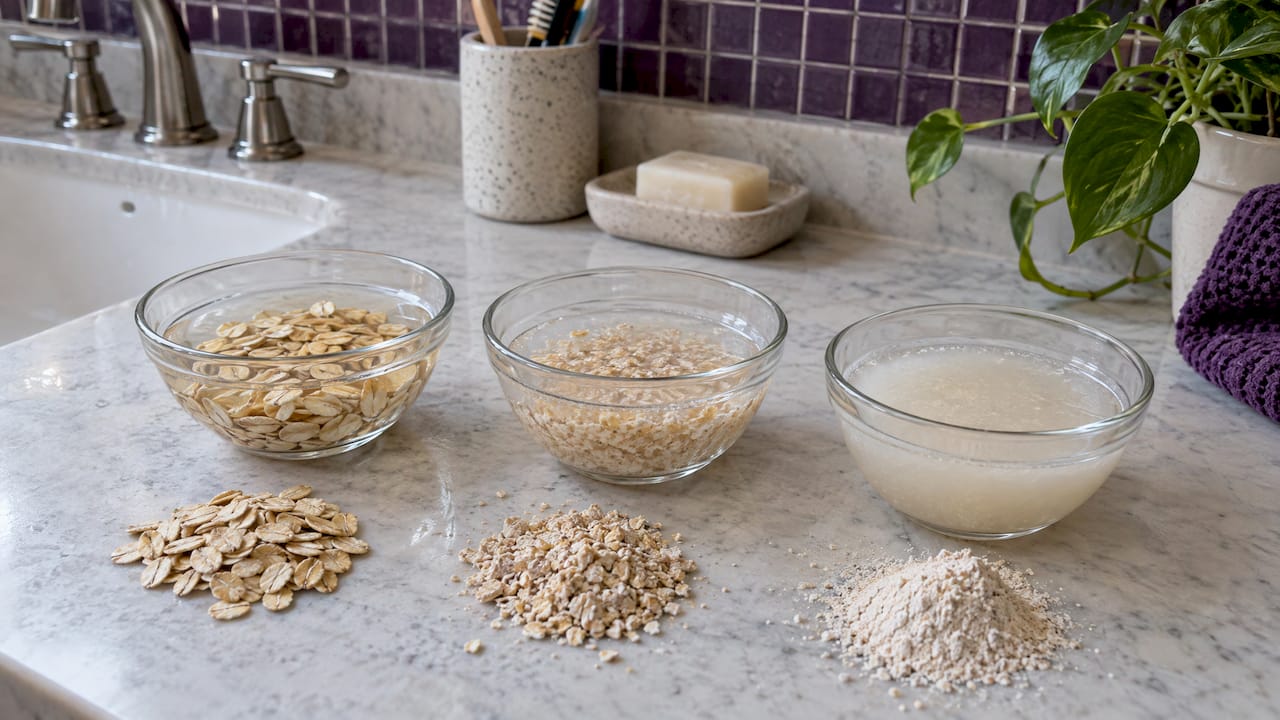 Oatmeal Soap Benefits: What the Evidence Supports
What oatmeal soap can do for dry or sensitive skin, how colloidal oatmeal differs from
 Standardized Extract Meaning: How to Read the Label
What "standardized extract" means on a supplement label, how marker compounds and ratios work, and
 Maitake Benefits: What the Research Shows and What to Check
Maitake benefits explained: nutrients, beta-glucans, one cognitive trial in older adults, safety, medication cautions and