
Loading your cart...

Supplement batch tracking is the practice of tying every bottle to the single production run it came from, using a batch, lot or control number. Manufacturers use it to keep records and pull products back if something goes wrong. You use it to answer three questions: which run is my bottle from, was that run tested, and has it been recalled? This guide covers both sides, what the law requires of makers and the steps you can take at home.
TL;DR
- A lot number is a traceability tool, not a seal of safety or effectiveness. It links a bottle to one production run.
- FDA’s manufacturing rule requires makers to assign lot numbers and keep batch records, but it does not require the number on every consumer package.
- To check a recall, match the manufacturer, exact product name and lot number. Many recalls cover only one run.
- A certification logo proves little until you look up your own lot in the certifier’s directory, or match it to a published Certificate of Analysis (COA).
- Photograph the lot code and keep your order records before you finish the bottle.
Table of Contents
- What batch tracking means
- What the rules require of manufacturers
- Where to find the lot number on a bottle
- How to check a lot against a recall
- Seals and lot lookups: what a logo can and can’t tell you
- No seal? Use the COA
- A five-minute routine for any new bottle
- Where research peptides fit
- Our perspective
- Find tested products and published COAs
- FAQ
- Sources
What batch tracking means
A batch (or lot) is a quantity of product made together under the same conditions. Each one gets an identifier. Everything that happened to that run, from raw materials to packaging, can then be traced back to it.
That gives you a chain of records:
- Ingredients in. Each component is identified when it arrives.
- Manufacturing. The batch record captures what was made, on what equipment and with what yield.
- Testing and release. Quality control reviews the run before it ships.
- Storage and distribution. Warehouses and sellers record which lot went to which order.
- Your bottle. The lot code printed on the label closes the loop.
If any link is missing, a problem found later is hard to contain. That is why “batch tracking” shows up both in manufacturing software and in consumer safety advice. It is the same idea seen from two ends.
What the rules require of manufacturers
Under the dietary supplement current good manufacturing practice rule (21 CFR Part 111), makers must assign a batch, lot or control number to each finished lot and keep a batch production record. That record includes details such as component identifiers, equipment identity, actual yield, monitoring results and quality control approval for distribution.
Two points matter for shoppers:
- The rule requires the manufacturer to assign and record the number. It does not require that the number be printed on every consumer package, so a missing code is not automatically a violation.
- A paper trail is not proof of quality. It shows a run can be traced. What the run contained is a separate question, answered by testing.
In practice, most reputable brands print a lot code and expiration date anyway, because retailers and recall procedures depend on it. If a bottle has neither, treat that as a reason to ask questions before you buy again.
Where to find the lot number on a bottle
Look for a short string of letters and digits, often labelled “Lot,” “LOT,” “Batch” or “B/N.” Common places:
- Stamped or laser-etched on the bottom of the bottle or jar
- Inkjet-printed on the shoulder, neck or cap band
- On the carton flap, usually next to the expiration date
- On the crimp of a pouch or the edge of a blister strip
The code can be faint, so use a phone flashlight and photograph it. The expiration date is not the lot number, though the two often sit side by side.
Shopping online? Examine the listing photos for lot codes. If you can’t see one, ask the seller for it. The same source advises saving order records and keeping the original packaging until you have recorded the identifying lot information, in case a recall notice appears later. Outer boxes get thrown away fast, so write the code down on arrival.
How to check a lot against a recall
Supplements are regulated as food, so FDA posts their recalls on its recalls and safety alerts pages. The steps are simple:
- Gather the manufacturer name, the exact product name and the lot number from your bottle.
- Open FDA’s recall notices rather than relying on social media posts or headlines.
- Match all three details. Recalls often affect one production run or lot rather than an entire product line.
- Read the notice’s instructions. They say what to do with the product and who to contact.
Notices vary in scope. One FDA allergy alert on a probiotic supplement was expanded to cover all lots sold across a multi-year window, while other notices name a single lot. Don’t assume either. Read the scope line each time.
If your bottle matches, stop using it and follow the notice. If you have symptoms, contact a healthcare professional or poison control. If it doesn’t match, you can keep going, but save the check for your records.
Seals and lot lookups: what a logo can and can’t tell you
Third-party certification programs add an outside check on top of the maker’s own records. USP Verified and NSF Certified (including Certified for Sport) involve annual facility audits, product testing for identity, potency and contaminants, and batch-level verification, unlike products that rely on the manufacturer’s word alone. NSF’s sport program also tests for 290 banned substances and inspects production facilities and suppliers. USP describes its process as multi-step, beginning with a pre-audit review of the company’s quality system.
The catch is that a logo on a label is only a claim until you confirm it. Some companies use certification logos they haven’t earned, and the reliable fix is looking up the product or lot in the certifier’s own directory. One guide to verification says the critical step is checking the product’s specific lot number in the official NSF Certified for Sport app or website.

An important limit: third-party testing verifies quality and purity, not efficacy. A verified bottle tells you what is in it and what isn’t. It does not tell you whether it will do anything for you.
Athletes face higher stakes, because a contaminated lot can matter in competition. We cover that in NSF vs Informed Choice for Athletes: Check Your Lot Before Competing. For a broader view of what these programs examine, see What Third‑Party Audits Actually Verify in Supplements and Third Party Supplement Testing Benefits.
No seal? Use the COA
Not every good product carries a seal. Some brands skip formal certification and publish their test results instead. Quality advocates point to a few markers: voluntarily published Certificates of Analysis, a disclosed ISO 17025 accreditation for the testing lab, and bioavailable ingredient forms. Those are signs of high standards, though not a substitute for checking.
A COA is useful for batch tracking only if you can connect it to your bottle. When you read one, check:
| What to check | Why it matters |
|---|---|
| Product name and lot or batch number | Confirms the report describes your run, not a different one |
| Testing laboratory and accreditation | Shows who did the work and under what quality standard |
| Test date | Tells you whether testing happened before release |
| Methods and what was tested | Identity, contaminants and potency are different tests |
| Result against a stated limit | A number with no limit is hard to interpret |
If the report doesn’t carry your lot number, ask the seller. A brand that stands behind its testing will tell you which report applies. For help reading these claims, see How to Evaluate Wellness Product Transparency Claims and Supplement Label Accuracy Testing: What It Really Means.
A five-minute routine for any new bottle
You don’t need an app. A note on your phone does the job.
- Photograph the label and lot code the day it arrives, along with the expiration date.
- Save the order confirmation and the product page, which may change or disappear.
- Look up the lot in the seal directory if the bottle carries a certification mark.
- Find the matching COA if the brand publishes them, and confirm the lot number matches.
- Check FDA’s recall notices now and then, especially if you buy the same product regularly.
- Keep the packaging until the bottle is finished, then keep the photo.
Many readers ask about “supplement tracker” apps. Some track what you take, which is a different job. Batch tracking is the record of what you bought. A photo album folder with a text note per product covers it for most households. If you take medication or have a health condition, ask your pharmacist or physician about any supplement before starting it, and follow the label’s directions.
Where research peptides fit
Batch records matter even more for compounds sold for laboratory work, because a lab result is only as reliable as the material behind it. Our Research Peptides are sold for laboratory research use only, not for human or animal consumption. For researchers, the same logic applies: confirm that the COA’s purity data (HPLC and mass spectrometry) matches the lot you received, and record storage conditions on arrival. When you prepare stock solutions for bench work, our free Peptide Calculator handles the reconstitution math. Our guide on how to source research peptides safely goes deeper.
Our perspective
We built Mycelia Link on one idea: a label should tell you what is in the product, and the test results should be there for you to read. Every product we sell is third-party tested, and we publish the Certificates of Analysis. We don’t use proprietary blends, because a blend hides the amounts that you most need to see.
Batch tracking is where that idea gets practical. A promise of quality means little if you can’t tie it to the jar in your hand. So our advice is the same whether you buy from us or anyone else: ask which report covers your lot, read the COA instead of the badge, and keep your own records. We would rather explain what a lab result shows than make a health promise no lab result can back up.
We also sell Net Error lots at a discount, with full test results disclosed. That is batch-level honesty applied to pricing: the product is described as it tested, and the buyer decides.
— Mycelia Link Industries
Find tested products and published COAs
If you want to put this routine to use, start with our Supplements page for functional mushroom products with clear labels, or our Hand Made Mushroom Infused Soap line. M-Link Pro members get member pricing, at 29.99 $ per month or 299 $ per year. Not sure which report matches your order? Email info@mycelialink.com or text or call (580) 823-0004. Our Customer Satisfaction Guarantee means that if you’re not satisfied, you contact us and we’ll make it right.
FAQ
Is a lot number the same as a batch number?
In everyday use, yes. Lot, batch and control number all refer to the identifier that links finished product to one production run. FDA’s rule uses all three terms, and brands pick whichever they prefer. What matters is that the code on your bottle matches the code on the testing or recall record.
What if my supplement has no lot number?
The federal manufacturing rule requires makers to assign lot numbers internally but does not require them on every consumer package. Still, without a code you can’t match a recall or a COA. Contact the seller, ask which lot you received, and consider buying from a brand that prints it.
Does a lot number prove a supplement is safe?
No. A lot number links a bottle to a production run. It becomes useful when that run is tested, investigated or recalled. Safety and quality evidence comes from testing, audits and published results, not from the code itself.
Where do I check whether my supplement was recalled?
Use FDA’s recall and safety alert notices, since supplements are regulated as food. Match the manufacturer, exact product name and lot number, because recalls often cover only one production run. If you are unsure whether a notice applies to you, ask the manufacturer or a pharmacist.
Should I trust a third-party seal on its own?
Treat it as a starting point. Look up your product or lot in the certifier’s directory, since logos can be used without being earned. Then read the COA if one is published.
Sources
- Small Entity Compliance Guide: Current Good Manufacturing Practice for Dietary Supplements, FDA
- How to Find Drug Recalls and What to Do Next, AARP
- Prescript-Assist allergy alert expansion, FDA
- Why a Lot Number Matters When Buying Memory Supplements Online, HelpDementia.com
- Third-Party Testing: USP vs NSF vs ConsumerLab, SupplementScience
- Third-Party Tested Supplements: USP vs NSF vs Informed Sport, Formulate
- How to Verify an NSF Supplement Certification Online, EatHealthy365
- FAQs: USP Verification Services, USP
- NSF Certified for Sport: Get Certified, NSF
Recommended
- Supplement Label Accuracy Testing: What It Really Means
- Two Minute U.S. Checklist to Read Supplement Labels and Verify COAs
- Transparent Supplement Sourcing Checklist for U.S. Shoppers
- 6 Step Regulatory Checklist to Verify Country of Origin for Supplements
This article is for informational and educational purposes only and is not medical advice. Research peptides sold by Mycelia Link are for laboratory research use only and are not for human or animal consumption. Statements about dietary supplements have not been evaluated by the Food and Drug Administration; these products are not intended to diagnose, treat, cure or prevent any disease.
Categories:
Related Posts
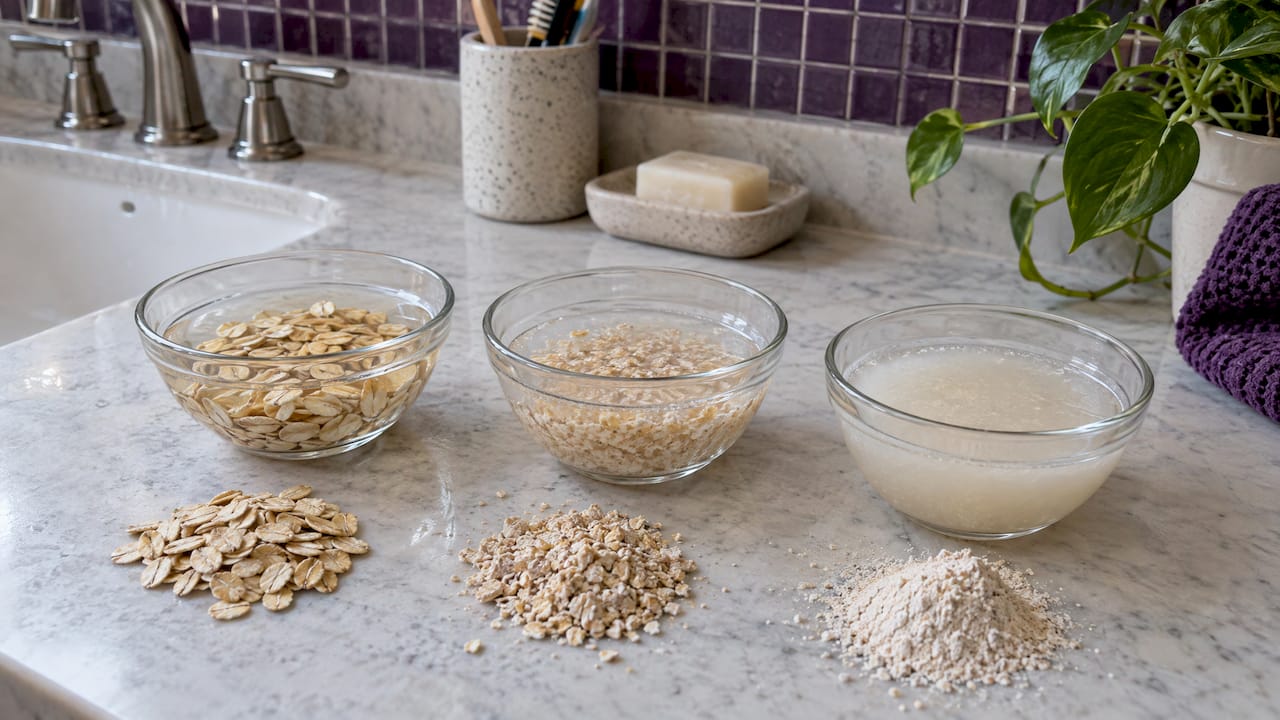 Oatmeal Soap Benefits: What the Evidence Supports
What oatmeal soap can do for dry or sensitive skin, how colloidal oatmeal differs from
 Standardized Extract Meaning: How to Read the Label
What "standardized extract" means on a supplement label, how marker compounds and ratios work, and
 Maitake Benefits: What the Research Shows and What to Check
Maitake benefits explained: nutrients, beta-glucans, one cognitive trial in older adults, safety, medication cautions and