
Loading your cart...

An extract ratio like 10:1 describes how much raw mushroom went into producing one unit of finished extract. It does not, by itself, prove potency. Before trusting any ratio on a label, check three things instead: the percent of beta-glucans or polysaccharides, whether the product uses fruiting body or mycelium on grain, and a batch-specific Certificate of Analysis (CoA).
TL;DR:
- A high extract ratio, such as 20:1, does not guarantee increased potency and should be evaluated alongside beta-glucan content and batch-specific lab data.
- Labels should specify whether the extraction ratio applies to native extracts or finished products with fillers, as dilution inflates yield figures without enhancing active compounds.
- A broth of extraction methods—water, alcohol, or double extraction—determines which compounds are concentrated and should always be disclosed on the label or certificate of analysis.
- The part of the mushroom used, the extraction method, and verified lab data on beta-glucan percentages are more reliable indicators of quality than the raw extract ratio.
- Buyers should scrutinize batch-specific Certificates of Analysis, confirm the part used, and ask about marker compounds before purchasing to ensure product transparency and potency.
Table of Contents
- 1. What an extract ratio means and how to calculate it
- 2. Why a higher ratio isn’t automatically stronger
- 3. Extraction methods: what water, alcohol, and double extraction concentrate
- 4. How to read labels and Certificates of Analysis before you buy
- 5. Red flags and questions to ask before you buy
- 6. Why batch lab data matters more than a ratio on a box
- 7. The one number worth trusting less than you think
- How Mycelia Link approaches transparent mushroom supplements
- Sources
- FAQ
1. What an extract ratio means and how to calculate it
A 10:1 ratio means 10 kilograms of dried mushroom material were used to produce 1 kilogram of finished extract. That number describes a manufacturing yield, not a concentration of active compounds. The math seems simple until you ask what got measured before and after.
Two details change what the ratio actually tells you. First, some brands report the plant-to-extract ratio, or DER, on the native extract alone, while others report it on the finished product after excipients or carriers like maltodextrin have been added. Diluting a native extract with filler material inflates the apparent yield without adding a single active compound, a distinction the Frontiers in Pharmacology review of botanical extract ratios treats as essential to accurate labeling.
Second, drying itself can mimic concentration. Fresh mushrooms are mostly water, so removing moisture alone produces a smaller, denser product that looks concentrated without any true extraction of bioactive compounds.
- A ratio reported on native extract only is more meaningful than one blended with fillers.
- Moisture loss during drying can look like extraction even when no compounds were concentrated.
- The same numeric ratio can describe very different products depending on what was measured.
2. Why a higher ratio isn’t automatically stronger
Ratio tells you how much raw material was used. It does not tell you what ended up in the jar. Potency depends on the concentration of specific marker compounds, and that requires a lab assay, not an inference from a yield number.
Beta-glucans, a class of polysaccharides found in mushroom cell walls, are the most commonly cited marker for immune-related activity, and their structural complexity and purity vary significantly by source and extraction method, which is exactly why a ratio alone cannot substitute for a marker assay. A serious hot water extract typically lists polysaccharides at or above roughly 30%, with beta-glucan content commonly used as the practical figure buyers should look for.
Species matter too. Lion’s Mane contains beneficial insoluble compounds that aggressive filtration or over-concentration can strip away, meaning a high ratio can actually correspond to a weaker finished product unless the label discloses marker percentages.
- Ratio measures manufacturing yield; potency measures compound concentration.
- Beta-glucan and polysaccharide percentages are the markers worth checking.
- Some species, like Lion’s Mane, can lose valuable compounds during aggressive filtration.
3. Extraction methods: what water, alcohol, and double extraction concentrate
Different solvents pull out different compounds, and the method used shapes what a supplement can actually deliver.
- Hot water extraction breaks down chitin, the tough material in mushroom cell walls, freeing water-soluble polysaccharides and making them more available to the body.
- Alcohol extraction pulls out nonpolar constituents such as triterpenes, compounds that water extraction leaves largely untouched.
- Hydroalcoholic or double extraction combines both steps, capturing water-soluble polysaccharides and alcohol-soluble constituents in one product, which is why it’s often marketed as broad-spectrum.
A label or CoA that names the solvent and method used is telling you more than any ratio number ever could.
Pro Tip: If a label lists an extraction ratio but never names the solvent or method, treat that as an incomplete disclosure, not a technicality.

4. How to read labels and Certificates of Analysis before you buy
A useful label answers five questions without making you guess. It states the part used (fruiting body versus mycelium on grain), the extraction ratio and whether that figure applies to the native extract or the finished product, the solvent or method used, the percent beta-glucans or polysaccharides, and how the serving size compares to any raw-equivalent claim.
A CoA should go further. Look for a batch number tied to the specific product you’re holding, a marker assay showing actual beta-glucan or polysaccharide content, a contaminants screen, and the name of the third-party lab that ran the tests. A CoA that just repeats the label claims without independent verification isn’t doing its job.
- Confirm the part used: fruiting body extracts and mycelium-on-grain products behave differently.
- Check whether the extraction ratio applies to native extract or the diluted finished product.
- Look for a named third-party lab and a batch number matching your product.
| What to check | Why it matters | Where to find it |
|---|---|---|
| Part used | Fruiting body and mycelium on grain differ in composition | Product label |
| Beta-glucan or polysaccharide % | Direct marker of potency, unlike ratio alone | CoA marker assay |
| Batch number and lab name | Confirms the CoA matches your specific product | CoA |
Our guide to reading extract labels walks through this checklist in more depth if you want to compare products side by side before buying.
5. Red flags and questions to ask before you buy
Some label choices are worth pausing on. A high extraction ratio paired with no marker percentages, a missing CoA, a vague “proprietary blend,” or interchangeable use of the words “extract” and “powder” are all signs the label is leaning on marketing language rather than lab data.
- High ratio claims (20:1 or higher) with no beta-glucan or polysaccharide figure listed anywhere.
- No CoA available, or a CoA that isn’t tied to a specific batch number.
- A “proprietary blend” that hides the ratio between fruiting body and mycelium-on-grain material.
Before buying, ask the seller three things: which part of the mushroom is used, whether the CoA is batch-specific, and what percent beta-glucans or polysaccharides the product contains. A brand with nothing to hide answers all three without hesitation.
6. Why batch lab data matters more than a ratio on a box
Batch-specific Certificates of Analysis alongside clear disclosure of the mushroom part and extraction method used in Functional Mushroom Supplements lines are a form of transparency that lets a buyer verify claims instead of taking them on faith. That kind of transparency is what lets a buyer verify a claim instead of taking it on faith. Readers who want to go deeper can review our breakdown of extract versus powder labeling or our guide to functional mushroom supplements for species-specific notes.
7. The one number worth trusting less than you think
Extract ratios make for a clean marketing number, but they were never designed to answer the question buyers actually ask: will this work? Prioritize the beta-glucan percentage and the batch CoA over the ratio printed in bold on the front of the box. A well-documented 4:1 extract with a published marker assay beats an undocumented 20:1 claim every time.
— Mycelia Link Industries
How Mycelia Link approaches transparent mushroom supplements
Comparing ratios across brands gets easier once you know which numbers actually matter, and that’s the standard we hold our own products to. Every product in our Functional Mushroom Supplements line discloses the part used, the extraction method, and batch-specific lab data rather than a bare ratio claim.

- Product pages list extraction method and part used (fruiting body or mycelium on grain) alongside beta-glucan figures where applicable.
- Batch CoAs are available for review before you buy, not just on request after a complaint.
- M-Link Pro membership offers benefits such as access to wholesale pricing for regular buyers of mushroom supplements.
Browse our Functional Mushroom Supplements to see the label details and lab reports for yourself.
Sources
- Extracts & Quality – Mushroom Education
- Understanding plant to extract ratios in botanical extracts – Frontiers in Pharmacology
- Mushroom Extract vs. powder: extraction and standardisation explained
- β-Glucan metabolic and immunomodulatory properties and potential for clinical application
FAQ
Is a 10:1 extract ratio good?
A 10:1 ratio isn’t automatically good or bad. It only tells you how much raw material went into the extract, so check the beta-glucan or polysaccharide percentage and a batch CoA before judging quality.
How do I calculate the extract ratio?
The extract ratio compares the weight of dried raw material used to the weight of the finished extract, for example 10 kilograms of dried mushroom yielding 1 kilogram of extract equals a 10:1 ratio. Confirm whether the figure applies to the native extract or a diluted finished product, since added excipients change the math.
What does 20:1 extract mean?
A 20:1 extract means 20 units of raw dried mushroom were used to produce 1 unit of finished extract, a higher yield ratio than a 10:1 product. A higher ratio doesn’t guarantee more potency, especially for species where aggressive concentration can strip out beneficial compounds, so the beta-glucan or polysaccharide content still needs verification.
Is 1000 mg of Lion’s Mane too much?
Appropriate Lion’s Mane dosing depends on the extraction method, concentration, and the form of the product, so there isn’t one universal answer. Check the label for extract ratio, part used, and marker compound percentages, and consult a healthcare provider before adjusting your intake.
Recommended
Categories:
Related Posts
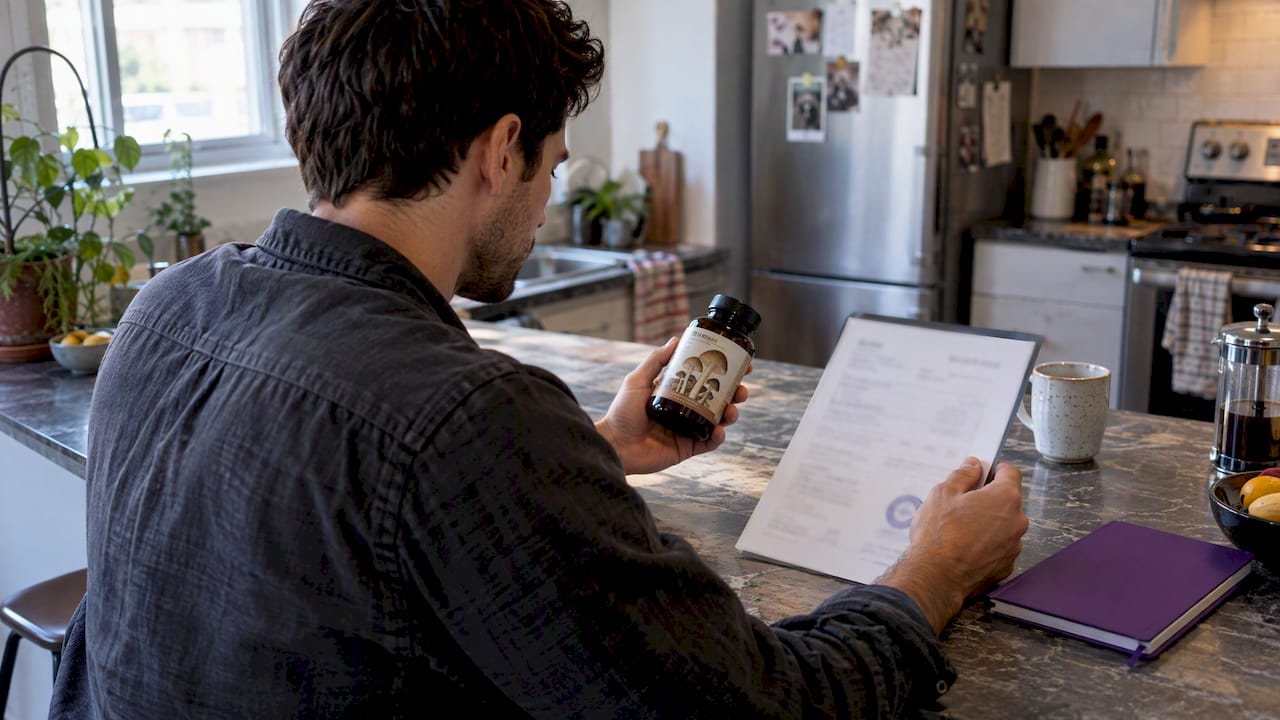 Buyers: Demand These 8 COA Proofs for Mushroom Supplement Purity
Follow eight lab-backed COA checks buyers must demand before purchasing mushroom supplements: lot-matched COAs, beta-glucan
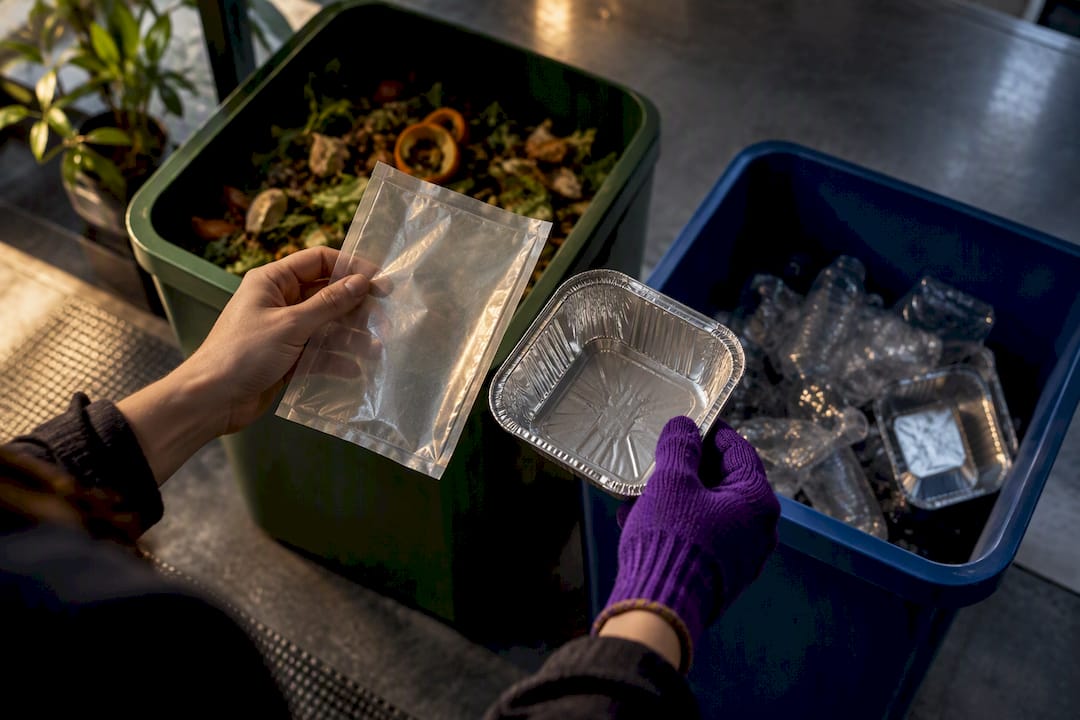 Local Infrastructure Decides Compostable vs Recyclable Packaging
Decide by what your community can actually process. Learn when certification matters, contamination risks, and