
Loading your cart...

For most targeted wellness goals, a properly labeled extract (hot water or dual) beats raw whole mushroom powder because extraction concentrates the compounds researchers actually study. Reach for hot water extracts with lion’s mane or turkey tail, dual extracts with reishi, and save whole powder for cooking or low-dose, whole-food use where potency matters less than tradition.
TL;DR:
- Most research-backed benefits come from hot water or dual extracts that concentrate water-soluble beta-glucans and triterpenes, not from raw mushroom powder.
- A verified beta-glucan percentage, ideally confirmed by independent lab testing, is essential for comparing extract potency with raw powder.
- Extraction method and species matter greatly; lion’s mane benefits rely on hot water extracts, while reishi’s triterpenes are best extracted through dual methods.
- Delivery format (capsules, tinctures, or powder) does not determine potency; the extraction process is the key factor.
- Always check for explicit extraction details, species Latin name, third-party testing, and actual beta-glucan content to verify product quality.
Table of Contents
- Mushroom Extract vs Powder: How Processing Changes What’s Inside
- How Do You Compare Potency Between Extracts and Powders?
- Should You Choose Capsules, Tinctures, or Loose Powder?
- What Should You Check Before Buying a Mushroom Supplement?
- Why Third-Party Testing Matters More Than the Label Copy
- Whole Foods Have Their Place, but Verified Extracts Win for Results
- Where to Find Extraction-Verified Mushroom Supplements
- Sources
- FAQ
Mushroom Extract vs Powder: How Processing Changes What’s Inside
The gap between these two products starts long before either one hits your cart. Whole or ground powder is just dried mushroom, fruiting body or mycelium, milled into a fine texture. Nothing is removed and nothing is concentrated. Mycelium grown on grain (often labeled MOG) is a separate category entirely: it’s the root-like network of the fungus cultivated on rice or oats, then dried and ground together with the leftover grain substrate.
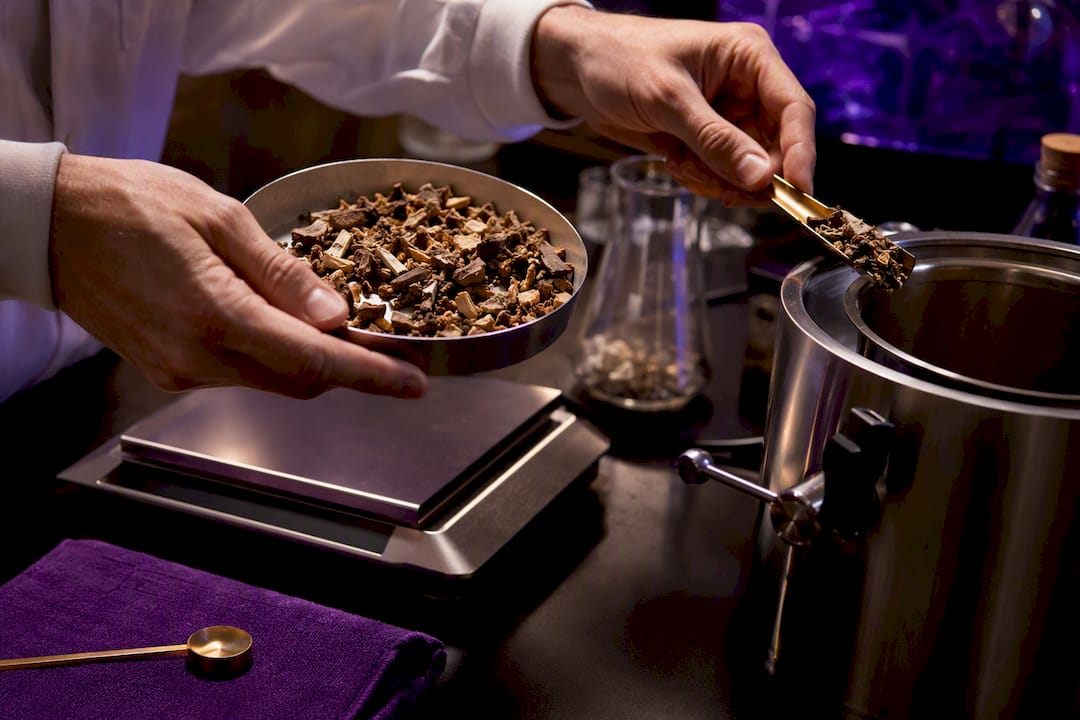
Extracts are a different animal. Producers soak the raw material in hot water, alcohol, or both, then filter out the solids and dry the liquid into a concentrated powder or leave it as a liquid tincture. Each solvent pulls out different compounds:
- Hot water extraction breaks down the fungal cell wall (chitin) and releases water-soluble beta-glucans, the polysaccharides tied to most immune and cognitive research.
- Alcohol extraction pulls out fat-soluble triterpenes, compounds concentrated in reishi and linked to its traditional adaptogenic reputation.
- Dual extraction runs both processes and recombines the results, capturing both compound classes in one product.
The chitin barrier matters more than most labels admit. Mushroom cell walls are built the way an insect’s exoskeleton is: tough, indigestible, and resistant to your gut breaking it down on its own. Hot water extraction disrupts that structure, which is why extracts consistently show far higher soluble beta-glucan content than raw powder made from identical starting material.
How Do You Compare Potency Between Extracts and Powders?
Marketing copy loves the word “polysaccharides.” It sounds scientific and means almost nothing on its own, since starch is technically a polysaccharide too. What you want on a label is a specific beta-glucan percentage, ideally backed by an independent Megazyme assay, the industry-standard lab test for measuring these compounds directly.
Typical beta-glucan ranges by product type: fruiting body extracts run roughly 25 to 50 percent, raw whole powders land around 5 to 15 percent, and mycelium-on-grain products often test as low as 3 to 7 percent, according to industry testing summaries.
That gap exists partly because MOG products carry the weight of the grain substrate they were grown on. The starch from that rice or oat filler can inflate a “total polysaccharide” number on a label while contributing almost nothing in actual beta-glucan content.
Species matters just as much as processing method. A few patterns worth knowing:
- Lion’s mane: cognitive research has relied on hot water fruiting body extracts in small randomized trials, not raw powder or mycelium biomass.
- Reishi: its signature triterpenes are alcohol-soluble, so a hot water only extract misses a meaningful share of what makes reishi reishi. Dual extraction is the more complete option here.
- Turkey tail: the immune-supporting compounds (PSK and PSP) are water-soluble polysaccharides, making hot water extraction the logical match.
None of this generalizes cleanly across species. Positive results in the research are tied to the specific preparation used in that study, not to “mushrooms” as a category. A dual-extract reishi and a raw lion’s mane powder aren’t interchangeable just because both say “mushroom” on the label.
Should You Choose Capsules, Tinctures, or Loose Powder?
Here’s a detail that trips people up: the delivery format doesn’t determine potency, the extraction method does. A capsule is just a container; it holds whatever extract or powder went into it. A $15 capsule stuffed with MOG powder is not more potent than a $12 jar of fruiting body extract powder just because it comes in pill form.
That said, format still affects your daily experience:
- Capsules offer consistent dosing and zero taste, which makes them the easiest option for people who want a “set it and forget it” routine.
- Loose extract powder tends to be the most cost-effective per gram, and it mixes into coffee, smoothies, or broth, though the earthy, bitter taste of concentrated extract is more noticeable than powder mixed in whole form.
- Tinctures (alcohol or glycerin-based liquid extracts) often act faster since they skip digestion, and they’re a practical way to capture triterpenes for species like reishi, but they usually cost more per effective dose than an equivalent extract powder.
If your goal is daily cognitive support, capsules or extract powder mixed into coffee both work, since the extraction method is what’s doing the heavy lifting, not the delivery vehicle. If you’re traveling, capsules or tincture drops beat measuring powder with a scale. If cost per effective dose matters most, loose extract powder usually wins, since you avoid paying for capsule shells and machine-filling labor.
What Should You Check Before Buying a Mushroom Supplement?
A few seconds of label reading separates a real extract from an expensive bag of ground filler. Run through this checklist before you buy:
- The label says “fruiting body”, not “myceliated grain” or “myceliated brown rice” (that second phrase usually signals a starch-heavy MOG product).
- The extraction method is stated explicitly: hot water, alcohol, or dual, not just “extract” with no detail.
- A specific beta-glucan percentage appears, not a vague “polysaccharide” claim.
- The species Latin name is listed (Hericium erinaceus, Ganoderma lucidum, Trametes versicolor), confirming you’re getting what the common name implies.
- A Certificate of Analysis (COA) from a third-party lab is available, either on the product page or on request.
Pro Tip: Do the math yourself. Multiply the stated beta-glucan percentage by the serving size in milligrams to get actual beta-glucan content per serving, then divide the price by that number. A 500mg capsule at 30% beta-glucan delivers 150mg of the active compound, which is a far more honest comparison than “500mg mushroom extract” printed on two competing bottles.
Red flags stack up fast once you know what to look for: “proprietary blend” with no breakdown, “total polysaccharides” with no beta-glucan number, and any product that can’t produce a COA when asked.
Why Third-Party Testing Matters More Than the Label Copy
A Certificate of Analysis verifies three things a marketing claim can’t: the actual species tested, the measured beta-glucan percentage from an independent assay, and the absence of heavy metals, pesticides, or microbial contaminants. Without one, you’re trusting a label written by the same company that profits from you believing it.
Mycelia Link publishes third-party lab testing results across its mushroom supplement line, including extraction method and species information on individual product pages rather than burying that detail in fine print. The company’s functional mushroom guide breaks down format and extraction differences in more depth for readers comparing options.
Before you buy anywhere:
- Ask for the COA directly if it isn’t posted.
- Compare the beta-glucan mg per serving, not just the total extract weight.
- Confirm the species Latin name matches what’s advertised.
Extraction chemistry is verifiable. Marketing language is not.
Whole Foods Have Their Place, but Verified Extracts Win for Results

There’s a real argument for whole mushroom powder rooted in whole-food philosophy: nothing removed, nothing concentrated, closer to how the mushroom exists in nature. That argument holds up fine for culinary use or general low-dose supplementation where you’re not chasing a specific measurable outcome.
But if you’re buying a mushroom supplement for cognitive support, immune modulation, or any goal you’d want to see actual change from, an extract with a stated beta-glucan percentage and a real COA gives you something whole powder can’t: proof. Pick the product that matches your goal, verify the testing, and don’t let “natural” stand in for “effective.”
— Mycelia Link Industries
Where to Find Extraction-Verified Mushroom Supplements
Sorting through vague polysaccharide claims and unlabeled proprietary blends gets exhausting fast, especially when most brands charge premium prices for products that won’t even name their extraction method. Mycelia Link built its mushroom supplement line around the opposite approach: fruiting body sourcing, clearly stated extraction methods, and third-party testing available for every product, without the markup typical of the wellness industry.

If you want a concrete example of what a properly labeled extract looks like on paper, the Mushroom Extract Complex product page shows the extraction method and testing documentation up front instead of hiding it behind a “contact us” form. Pair that with the functional mushroom guide if you want to keep comparing formats before you commit. Browse the current lineup, check the COA on any product that interests you, and pick the extraction method that actually matches what you’re trying to get out of it.
This article is general information, not a substitute for advice from a qualified doctor. Consult a qualified healthcare professional about your own circumstances before acting on anything here.
Sources
- Functional mushroom extraction and bioactivity (review) — NCBI PMC
- Randomized trial(s) on lion’s mane hot‑water extract — PubMed
- Mushroom extracts vs powder: technical guide — Shroomap
FAQ
Is Lion’s Mane Extract or Powder Better?
Hot water extract is the better choice for lion’s mane because the cognitive research behind it used hot water fruiting body extracts, not raw powder.
What Is the Best Form to Take Mushroom Supplements?
It depends on your goal: extracts (hot water or dual, depending on species) deliver higher beta-glucan and triterpene content for targeted effects, while raw powder works fine for culinary use or general low-dose supplementation.
Is Mushroom Extract Effective?
Properly made extracts with verified beta-glucan percentages are effective for the specific compounds they concentrate, but effectiveness is tied to the exact species and extraction method used, not to “mushroom extract” as a blanket category.
What Is the Difference Between Extract Powder and Powder?
Extract powder comes from mushroom material that’s been soaked in hot water, alcohol, or both to concentrate specific compounds before drying, while plain powder is just dried, ground mushroom with nothing removed or concentrated.
Are Mushroom Gummies as Effective as Capsules?
Gummies and capsules are both just delivery vehicles, so effectiveness depends entirely on whether the underlying material is a verified extract with a stated beta-glucan percentage, not on the format itself.
Recommended
Categories:
Related Posts
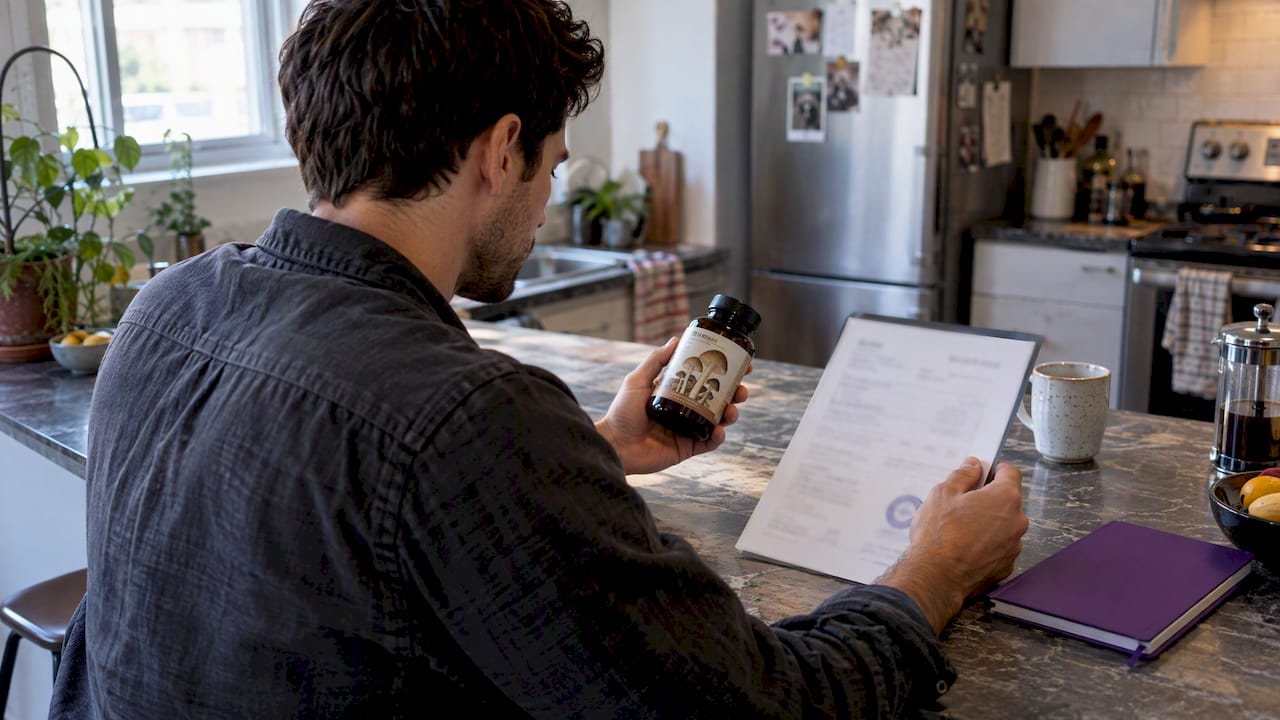 Buyers: Demand These 8 COA Proofs for Mushroom Supplement Purity
Follow eight lab-backed COA checks buyers must demand before purchasing mushroom supplements: lot-matched COAs, beta-glucan
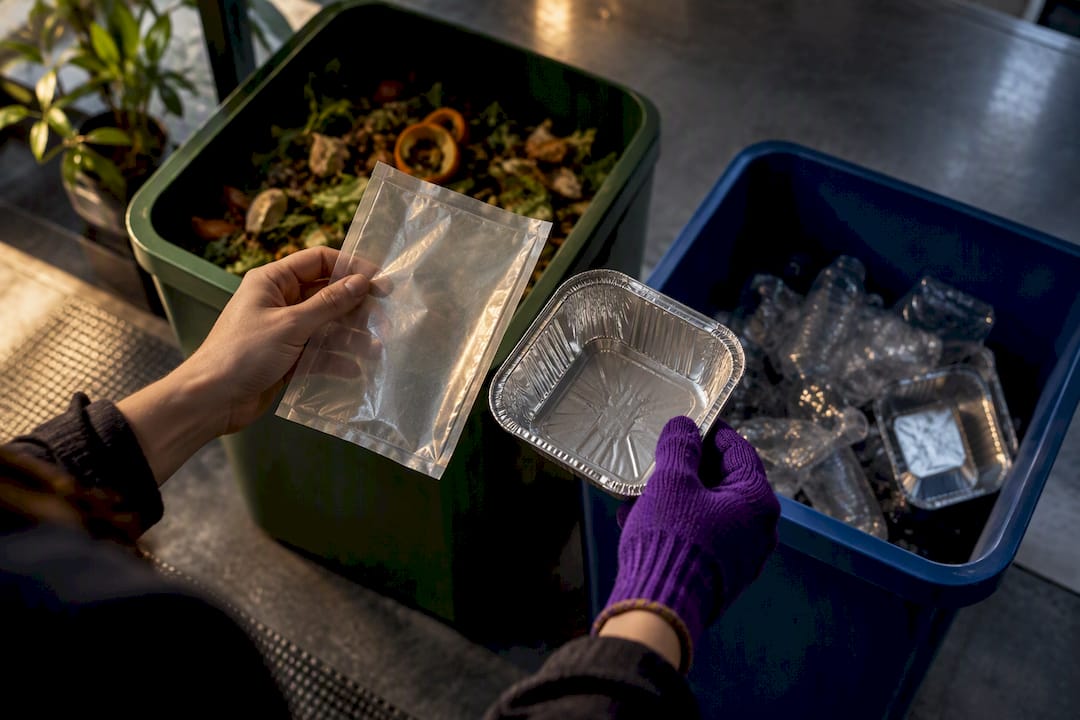 Local Infrastructure Decides Compostable vs Recyclable Packaging
Decide by what your community can actually process. Learn when certification matters, contamination risks, and
 What Mushroom Extract Ratios Hide: 3 Lab Values Buyers Must See
See the three lab checks that matter more than any extract ratio: beta-glucan percent, part