



Loading your cart...
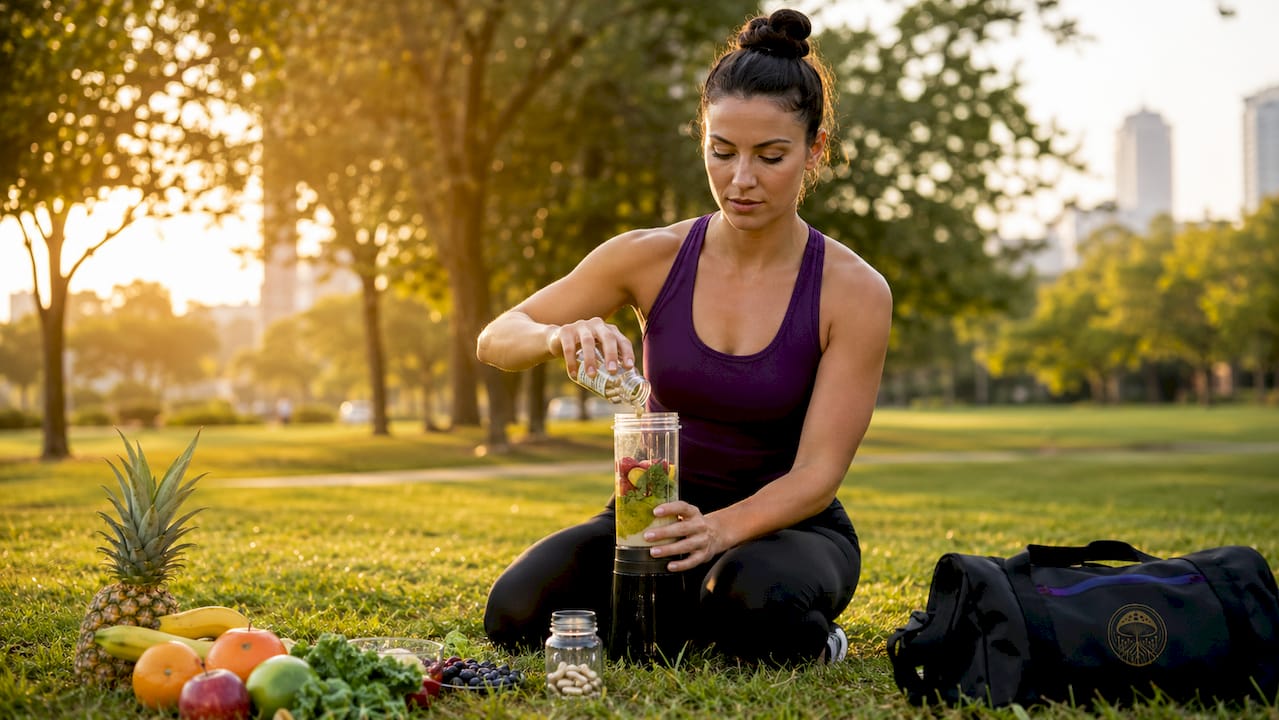
Beta-glucans are defined as naturally occurring polysaccharides that modulate the immune system by priming innate immune cells to respond more effectively to pathogens. For athletes, this distinction matters because intense training creates predictable windows of immune suppression, and understanding how beta-glucans support immunity in athletes means understanding how to close that window. Clinical evidence shows that daily supplementation with baker’s yeast-derived beta-glucans reduces the severity and duration of upper respiratory tract infections (URTIs) in active adults. The molecular targets include Dectin-1 receptors on innate immune cells, and the downstream effect is a process researchers now call trained immunity. This is not a vague wellness claim. It is a measurable biological shift.
How do beta-glucans biologically support immune function in athletes?
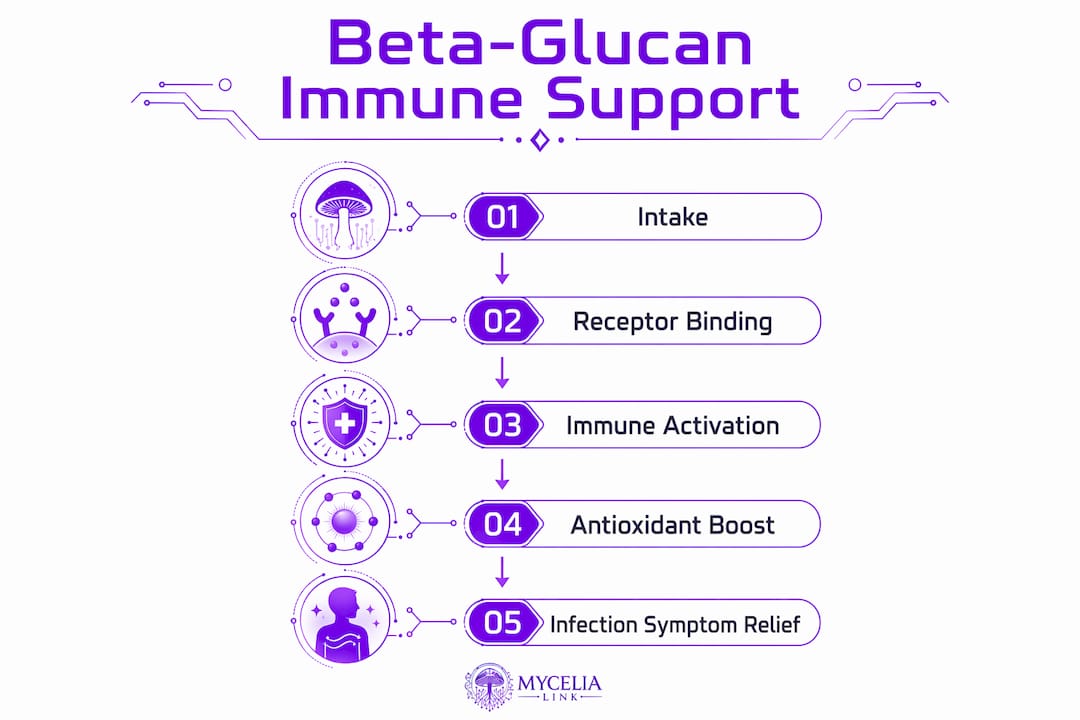
Beta-glucans bind to Dectin-1 receptors on macrophages and dendritic cells, triggering intracellular signaling cascades that reprogram innate immune cells through metabolic and epigenetic changes. This reprogramming is the foundation of trained immunity. The result is that these cells respond faster and more aggressively the next time they encounter a threat.
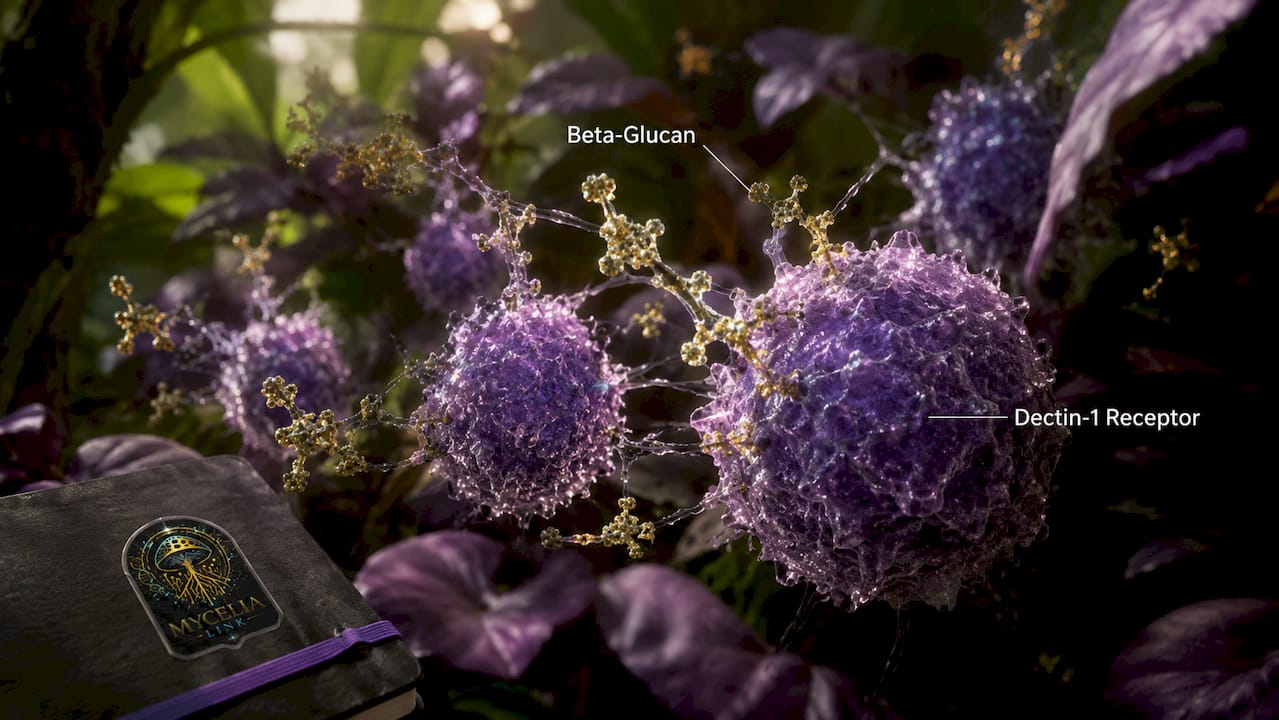
The Dectin-1 pathway and trained immunity
Dectin-1 activation increases the expression of immune markers like CD80 and raises secretory IgA levels in mucosal tissues. Secretory IgA is the antibody that lines your respiratory tract and gut, acting as the first barrier against inhaled or ingested pathogens. Athletes who train hard often see a drop in secretory IgA, which is one reason heavy training blocks correlate with higher URTI rates. Beta-glucans directly counter this by enhancing mucosal IgA production.
Macrophages and dendritic cells also shift their cytokine output after Dectin-1 activation. They produce more pro-inflammatory signals when needed and regulate them more efficiently when the threat passes. This balance is what separates immune modulation from immune suppression or overstimulation.
Antioxidant effects during high-intensity training
Yeast-derived beta-glucans improve antioxidant capacity in athletes undergoing high-intensity training. Research shows increased FRAP and SOD levels after eight weeks of supplementation. FRAP measures the blood’s overall ability to neutralize free radicals, and SOD is an enzyme that breaks down the most damaging oxidative byproducts of intense exercise. Higher levels of both mean faster recovery and less cellular damage after hard sessions.
Pro Tip: Start beta-glucan supplementation at least four weeks before your heaviest training block or the start of cold-and-flu season. The trained immunity effect requires time to develop and cannot be switched on acutely.
What does current scientific evidence say about beta-glucan benefits for athletes?
The clinical picture on beta-glucans and immune support is consistent but nuanced. Randomized controlled trials using yeast-derived beta-glucan doses between 120 mg and 500 mg show shorter URTI durations and fewer severe episodes over 8–12 week supplementation periods. The effect size is real but modest. Athletes should not expect a force field. They should expect fewer days feeling terrible.
Marathon runners represent one of the most studied athlete populations for beta-glucan research. Athletes who consumed a 250 mg yeast beta-glucan beverage showed lower total URTI symptom severity, particularly for nasal discharge and sore throat, compared to placebo groups. Infection incidence did not drop significantly. What changed was how bad the infections felt and how long they lasted.
“Beta-glucans do not prevent infections outright but reduce symptom severity and duration, especially in populations experiencing transient immune suppression. Athletic populations show modest symptom relief during intense training phases rather than fewer infection episodes overall.”
A 204 mg daily dose also produced clinically meaningful improvements in respiratory symptoms and mood after 12 weeks in moderately stressed adults. That finding matters for athletes because psychological stress and physical training stress share overlapping immune pathways. Reducing both simultaneously is a meaningful outcome.
The table below summarizes key clinical findings across beta-glucan trials relevant to athletes.
| Study population | Daily dose | Duration | Key outcome |
|---|---|---|---|
| Active adults (general) | 120–500 mg | 8–12 weeks | Shorter URTI duration, fewer severe episodes |
| Marathon runners | 250 mg (beverage) | Race period | Lower symptom severity, especially nasal and throat |
| Stressed adults | 204 mg | 12 weeks | Improved respiratory symptoms and mood scores |
| Vaccinated adults | Not specified | Post-booster | Higher neutralizing antibody production |
One important structural nuance: insoluble beta-glucans reduce sore throat severity more effectively than soluble forms in marathon runners. Both forms reduced nasal discharge severity, but only the insoluble form addressed throat symptoms. Product selection based on molecular structure is not marketing detail. It is a clinically relevant choice.
How should athletes incorporate beta-glucans for optimal immune support?
Practical use of beta-glucans for athletes comes down to three variables: dose, form, and timing.
-
Choose the right dose. Research supports a daily dose between 120 mg and 500 mg of yeast-derived beta-glucan. Lower doses around 204 mg work well for general immune maintenance and stress periods. Higher doses up to 500 mg may be appropriate during peak training loads or competition seasons.
-
Select the right form. Delivery format affects efficacy. Beta-glucans in food matrices like dairy beverages may provide differentiated symptom relief compared to capsules, linked to molecular solubility differences. Capsules offer convenience and precise dosing. Functional food formats may offer absorption advantages for specific symptom profiles.
-
Time supplementation to your training calendar. Optimal beta-glucan dosing means consistent daily intake over cold-and-flu season or periods of high training stress. A single dose before a race does nothing. The trained immunity mechanism requires weeks of regular supplementation to produce epigenetic changes in innate immune cells.
-
Prioritize product transparency. Third-party testing and clear labeling of beta-glucan content and source matter. Yeast-derived beta-glucans from Saccharomyces cerevisiae have the strongest clinical evidence base. Products that do not specify source or molecular structure leave athletes guessing. Mycelia Link’s mushroom supplement range explains sourcing and structure clearly, which is the standard athletes should hold all products to.
Pro Tip: If you train twice a day or are in a competition block, take your beta-glucan supplement with breakfast rather than post-workout. Consistent morning dosing builds the habit and aligns with natural cortisol rhythms that influence immune cell activity.
What are the limitations and realistic expectations of beta-glucan supplementation?
Beta-glucans are immune modulators, not performance enhancers. Athletes who expect a direct improvement in VO2 max, power output, or recovery speed will be disappointed. The benefit is narrower and more specific: fewer days lost to illness and less severe symptoms when infections do occur.
Several important limitations apply:
- Infection prevention is not guaranteed. Beta-glucans reduce symptom severity and duration. They do not eliminate infection risk. Athletes in high-contact sports or shared training environments still need standard hygiene practices.
- Industry funding is a real bias. Much foundational clinical research on beta-glucans is funded by supplement manufacturers. Effects observed in independent trials tend to be more modest. Athletes should read the funding disclosures on any study cited in product marketing.
- Acute “immune boosting” is a myth. Beta-glucans work through sustained epigenetic reprogramming of innate immune cells. Taking a dose the night before a race does not prime your immune system. The mechanism requires weeks of consistent intake to produce measurable changes.
- Source and structure matter. Not all beta-glucans are equivalent. Oat-derived beta-glucans have strong cardiovascular evidence but weaker immune data compared to yeast-derived forms. Mushroom-derived beta-glucans like those from Ganoderma lucidum or Lentinula edodes have distinct receptor binding profiles. Comparing products without specifying source is like comparing apples to oranges.
- Beta-glucans are one piece of a larger strategy. Sleep, nutrition, stress management, and periodized training all influence immune resilience. Beta-glucans support that foundation. They do not replace it.
Athletes are an ideal study population precisely because their exercise-induced immune suppression creates a clear, measurable window for detecting supplement effects. That predictability makes the clinical evidence more reliable, not less.
Key Takeaways
Beta-glucans support athlete immunity by binding to Dectin-1 receptors, triggering trained immunity, and reducing URTI symptom severity during periods of intense physical stress.
| Point | Details |
|---|---|
| Mechanism is receptor-driven | Beta-glucans bind Dectin-1 receptors, triggering epigenetic changes that prime innate immune cells. |
| Clinical benefit is symptom reduction | Daily doses of 120–500 mg reduce URTI severity and duration, not infection incidence. |
| Consistency is non-negotiable | Trained immunity requires weeks of daily supplementation to develop and sustain. |
| Molecular structure affects outcomes | Insoluble yeast beta-glucans reduce sore throat severity more than soluble forms in athletes. |
| Realistic expectations prevent disappointment | Beta-glucans are immune modulators, not performance enhancers or infection cures. |
What I’ve learned from watching athletes use beta-glucans
Athletes tend to fall into two camps with supplements: those who expect miracles and those who dismiss anything that does not show up on a performance test. Beta-glucans sit in an uncomfortable middle ground that neither camp handles well.
What I have observed is that the athletes who benefit most from beta-glucan supplementation are the ones who treat it like sleep or hydration: non-negotiable, consistent, and boring. They start supplementing four to six weeks before their hardest training block. They do not stop when they feel fine. They understand that the goal is to stay fine.
The trained immunity concept is genuinely exciting from a scientific standpoint. The idea that a daily supplement can produce lasting epigenetic changes in immune cells, and that those changes translate to higher antibody responses after vaccination, is not a small claim. It is a meaningful shift in how we think about immune preparation.
My practical advice is this: pair beta-glucans with a product you can verify. Third-party testing, clear sourcing, and transparent labeling are not optional extras. They are the minimum standard. The supplement industry has a contamination problem, and athletes who train hard cannot afford to add that variable to their recovery equation. Read the label. Check the contamination risks before you buy.
— Mycelia Link Industries
Mycelia Link’s mushroom supplements for athlete immune health
Athletes who want beta-glucan supplementation backed by real transparency have a clear starting point.

Mycelia Link’s mushroom supplement range is built around functional mushrooms with documented beta-glucan content, third-party tested for purity, and priced without the markup that most wellness brands treat as standard. The educational resources at Mycelia Link go beyond ingredient lists. The functional mushroom supplement guide explains sourcing, molecular structure, and dosing in plain language. For athletes interested in the broader picture of immune-supporting compounds, the peptide wellness research guide covers how peptides and functional compounds work together in an immune resilience strategy. Quality and clarity are the standard at Mycelia Link, not the exception.
FAQ
What are beta-glucans and why do athletes use them?
Beta-glucans are polysaccharides found in yeast, oats, and mushrooms that modulate innate immune function by binding to Dectin-1 receptors. Athletes use them to reduce URTI symptom severity during periods of intense training-induced immune suppression.
How much beta-glucan should an athlete take daily?
Clinical trials support daily doses between 120 mg and 500 mg of yeast-derived beta-glucan. A dose of 204 mg showed meaningful improvements in respiratory symptoms and mood after 12 weeks of consistent use.
Do beta-glucans prevent infections in athletes?
Beta-glucans do not prevent infections outright. They reduce symptom severity and duration, particularly in athletes experiencing transient immune suppression during heavy training phases.
How long does it take for beta-glucans to work?
The trained immunity effect requires consistent daily supplementation over several weeks. Starting four to six weeks before a high-stress training block or competition season gives the mechanism time to develop.
Are mushroom-derived beta-glucans the same as yeast-derived beta-glucans?
No. Mushroom and yeast beta-glucans differ in molecular structure and receptor binding profiles. Yeast-derived forms from Saccharomyces cerevisiae have the strongest clinical evidence for URTI symptom reduction in athletes. Mushroom-derived forms offer complementary immune benefits through distinct pathways.
Recommended
Categories:
Related Posts
 The Role of Antioxidants in Wellness: 2026 Guide
Discover the role of antioxidants in wellness. Learn how they support immune functions, reduce inflammation,
 How the Supplement Industry Lacks Regulation in 2026
Discover how the supplement industry lacks regulation, risking safety and efficacy. Learn about the implications