



Loading your cart...
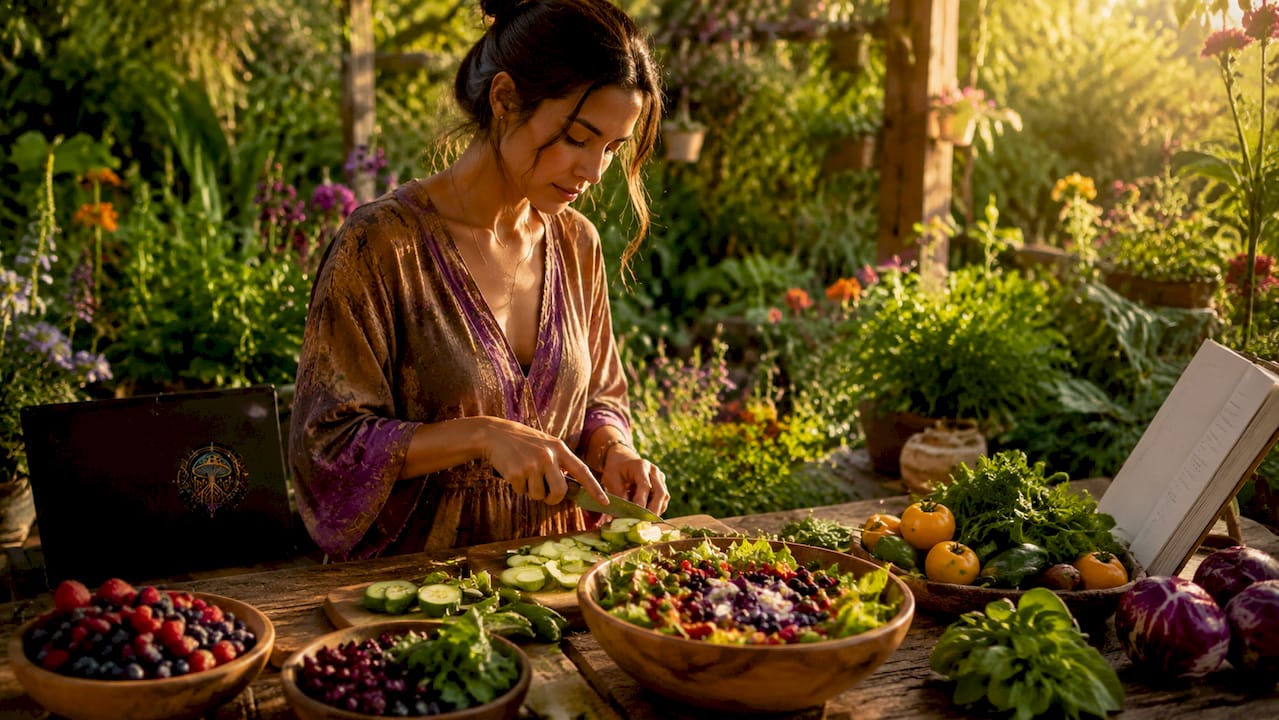
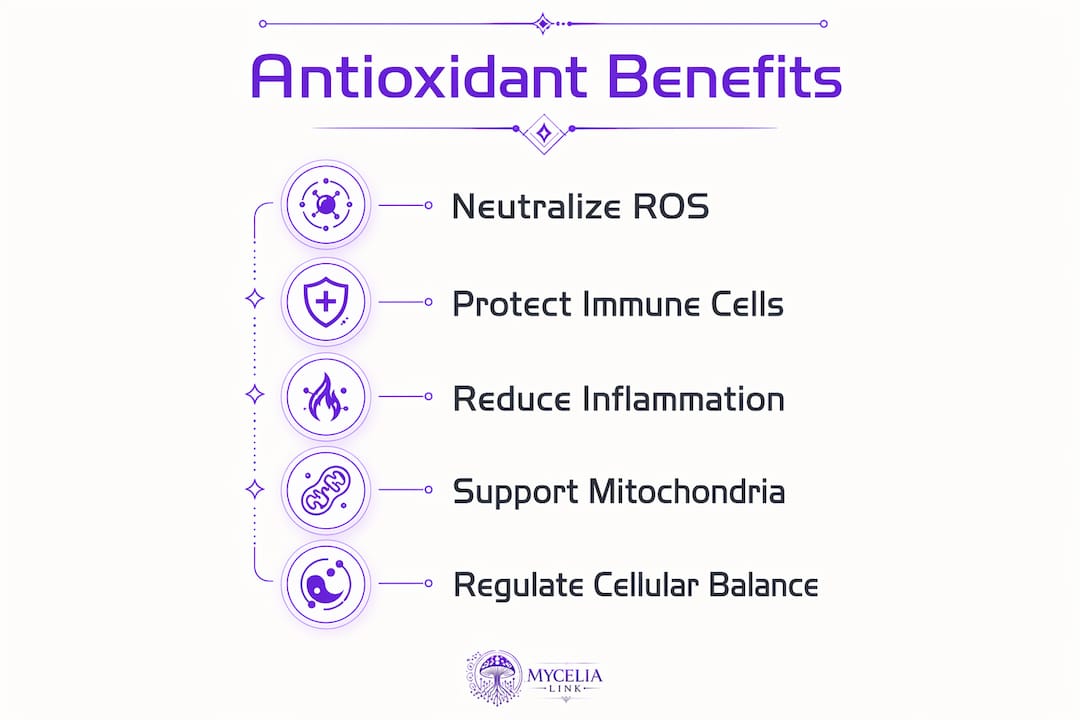
Antioxidants are molecules that protect the body by neutralizing free radicals and supporting essential immune and cellular functions. The role of antioxidants in wellness extends far beyond simple “anti-aging” claims. These compounds regulate reactive oxygen species (ROS), modulate inflammatory signaling through pathways like Nrf2, and protect immune cells from oxidative damage. Vitamins C and E, polyphenols like quercetin and resveratrol, and compounds found in functional mushrooms all contribute to this protective network. Understanding how they work, and where the science draws limits, separates effective wellness choices from expensive guesswork.
How do antioxidants support immune function and reduce inflammation?
Antioxidants protect immune cells by scavenging ROS before those molecules damage cell membranes and DNA. This protection is not passive. Dietary antioxidants like ascorbate, urate, and α-tocopherol actively modulate receptor sensitivity and inflammatory signaling in the extracellular space, which directly affects how immune cells activate and communicate.
The practical result shows up in clinical data. Micronutrient supplementation including vitamins C and E significantly reduces inflammatory markers in older adults, with standardized mean differences of -0.40 for CRP, IL-6, and TNF-α. That reduction means less chronic low-grade inflammation, which is a key driver of immune dysfunction and accelerated aging.
Polyphenols add another layer. Compounds like quercetin and resveratrol do not just neutralize free radicals. They activate the Nrf2 regulatory pathway, which switches on the body’s own detoxifying enzymes. This is a force-multiplier effect: one dietary compound triggers a cascade of internal antioxidant production.
Key mechanisms by which antioxidants support immune health:
- ROS scavenging: Vitamins C and E neutralize free radicals before they damage immune cell membranes.
- Cytokine regulation: Antioxidants reduce pro-inflammatory cytokines including IL-6 and TNF-α.
- Nrf2 activation: Quercetin and resveratrol trigger internal antioxidant enzyme production.
- Extracellular redox balance: Ascorbate and α-tocopherol preserve the signaling environment immune cells depend on.
- Vaccine and illness response: Multivitamin supplementation associates with improved vaccine efficacy and reduced illness severity in clinical trials.
Pro Tip: If you want to support immune resilience through diet, prioritize vitamin C from whole foods like bell peppers and citrus alongside vitamin E from nuts and seeds. The combination delivers synergistic protection that isolated supplements rarely replicate.
What does research reveal about antioxidants and chronic disease?
The cardiovascular evidence is the strongest in the literature. Elevated composite dietary antioxidant index (CDAI) scores associate with hazard ratios of 0.81–0.97 for ischemic heart disease and stroke. That range represents a meaningful reduction in risk at the population level.
The mechanism goes deeper than blood vessel protection. Quercetin and resveratrol activate AMPK pathways that regulate mitochondrial biogenesis and metabolic stress responses. This matters for type 2 diabetes and liver disease, where cellular energy dysfunction drives disease progression. Antioxidants that support mitochondrial health address the root metabolic problem, not just the symptoms.
Neurodegeneration is an emerging area. Oxidative stress accelerates neuronal damage in conditions like Alzheimer’s disease. Antioxidants that cross the blood-brain barrier, including certain polyphenols found in berries and functional mushroom supplements, show early promise in reducing neuroinflammation.
| Condition | Antioxidant mechanism | Key compounds |
|---|---|---|
| Ischemic heart disease | Reduces oxidative LDL modification | Vitamins C, E, polyphenols |
| Type 2 diabetes | AMPK activation, mitochondrial support | Quercetin, resveratrol |
| Stroke | Extracellular redox balance | Ascorbate, α-tocopherol |
| Neurodegeneration | Reduces neuroinflammation | Polyphenols, functional mushrooms |
| Chronic liver disease | Nrf2-driven detoxification | Resveratrol, quercetin |
One critical nuance: the risk reduction plateaus. Benefits diminish above certain antioxidant intake thresholds, and excess intake may disrupt natural metabolic pathways. More is not always better. This is the finding most supplement marketing ignores.
Why does antioxidant balance matter more than antioxidant quantity?
ROS are not purely destructive. Reactive oxygen species serve dual roles as both damaging agents and critical signaling molecules in immune defense. Your immune system uses controlled bursts of ROS to kill pathogens. Suppressing all ROS activity undermines that defense.
This creates a real problem with high-dose supplementation. Acute high-dose antioxidant supplementation can blunt mitochondrial biogenesis and suppress the signaling pathways that drive immune activation and exercise adaptation. Athletes who take megadoses of vitamin C and E after workouts may actually slow recovery by interfering with the ROS signals that trigger muscle repair.
“Antioxidants act as modulators regulating inflammation rather than simply eliminating it, preserving the body’s defense capacity. Localized redox control preserves immunity while preventing oxidative damage. Loss of spatial redox regulation contributes to chronic inflammation.”
The implication is precise: the goal is not maximum antioxidant intake. The goal is localized, well-timed antioxidant activity that protects without suppressing.
What balanced antioxidant strategy looks like in practice:
- Prioritize dietary antioxidants over isolated high-dose supplements.
- Time supplementation away from exercise when possible to preserve adaptive ROS signaling.
- Recognize that clinical efficacy is highly individual and disease-stage dependent.
- Combine antioxidant-rich foods with lifestyle factors like sleep and stress management for compounding benefit.
Pro Tip: Think of antioxidants as a dimmer switch, not an on/off button. The goal is to turn down harmful oxidative stress without switching off the ROS signals your immune system needs to function.
How to incorporate antioxidants into your daily wellness routine
Food is the most reliable delivery system for antioxidant benefits. Whole foods provide synergistic combinations of antioxidants that isolated supplements cannot replicate. Blueberries, for example, deliver anthocyanins, vitamin C, and fiber together. That combination produces effects that no single-compound capsule matches.
The Mediterranean dietary pattern is the most studied model for antioxidant intake. It emphasizes olive oil, colorful vegetables, legumes, nuts, and moderate fish consumption. Each component contributes different antioxidant compounds that work across multiple biological pathways simultaneously.
Functional mushrooms deserve specific attention. Species like Lion’s Mane and Reishi contain beta-glucans and ergothioneine, a compound the body cannot synthesize on its own. Ergothioneine concentrates in tissues under high oxidative stress, including the liver, kidneys, and brain. Mycelia Link’s mushroom supplement catalog covers the research behind these compounds in detail.
- Eat the rainbow daily. Red, orange, purple, and dark green vegetables each deliver distinct antioxidant classes. Aim for at least five colors per day.
- Add functional mushrooms. Lion’s Mane and Reishi provide ergothioneine and beta-glucans not found in standard produce.
- Use olive oil as your primary fat. Extra-virgin olive oil delivers oleocanthal and hydroxytyrosol, two polyphenols with strong anti-inflammatory activity.
- Prioritize berries over fruit juice. Whole berries retain fiber and polyphenols that processing destroys.
- Limit high-dose isolated supplements. Reserve them for documented deficiencies, not general wellness maintenance.
| Dietary approach | Antioxidant delivery | Best for |
|---|---|---|
| Whole food diet (Mediterranean) | Synergistic, broad-spectrum | Long-term chronic disease prevention |
| Functional mushroom supplementation | Ergothioneine, beta-glucans | Targeted immune and cognitive support |
| Isolated supplement (high-dose) | Single compound, high concentration | Documented deficiency correction |
| Standard multivitamin | Low-dose, broad micronutrient coverage | Baseline micronutrient insurance |
The peptide and immune research emerging in 2026 adds another dimension. Certain peptides interact with the same redox pathways that antioxidants regulate, suggesting future wellness protocols will combine both approaches for more targeted results.
Key Takeaways
Antioxidants protect health by maintaining a dynamic redox balance that supports immune function, reduces chronic disease risk, and slows cellular aging through whole-food dietary patterns rather than high-dose supplementation.
| Point | Details |
|---|---|
| Antioxidants modulate, not eliminate | They regulate ROS signaling rather than suppressing it entirely, preserving immune defense capacity. |
| Whole foods outperform supplements | Synergistic compounds in food deliver benefits that isolated supplements cannot replicate. |
| Dosage thresholds are real | Cardiovascular risk reduction plateaus above certain intake levels; excess may disrupt metabolic pathways. |
| Immune support requires balance | High-dose antioxidants can blunt adaptive immune signals and slow exercise recovery. |
| Personalization matters | Clinical efficacy varies by individual health status, disease stage, and dietary context. |
Antioxidants as modulators: what the science actually shows
The wellness industry has spent decades selling antioxidants as miracle compounds. The science tells a more interesting story. Immune resilience relies on a dynamic equilibrium of antioxidants rather than fixed high levels. Imbalances in either direction lead to dysfunction.
What I find most underappreciated is the spatial dimension of redox control. The body does not need antioxidants everywhere at maximum concentration. It needs them in the right place, at the right time, in the right amount. That precision is something a blueberry delivers far better than a 1,000mg vitamin C tablet.
The emerging research on Nrf2 activation changes how I think about dietary choices. Foods that activate your body’s own antioxidant production are more valuable than foods that simply deliver antioxidants directly. Cruciferous vegetables, green tea, and functional mushrooms all trigger Nrf2. That internal amplification effect is what makes whole-food dietary patterns so consistently superior in long-term studies.
My honest recommendation: treat supplementation as a targeted tool for documented gaps, not a substitute for dietary variety. The people who benefit most from antioxidant supplements are those with genuine deficiencies or elevated oxidative stress from illness or aging. For everyone else, a varied diet built around colorful produce, healthy fats, and functional foods delivers more than any supplement stack.
— Mycelia Link Industries
Antioxidant wellness and what Mycelia Link offers
Antioxidant science points clearly toward two categories that deliver measurable results: functional mushrooms and research-backed bioactive compounds.
Mycelia Link specializes in both. The functional mushroom supplement guide covers the antioxidant compounds in Lion’s Mane, Reishi, and related species with full transparency on sourcing and third-party testing. For those interested in how peptides interact with immune and redox pathways, the peptide wellness research guide provides 2026-current insights without the inflated price tags common in the wellness space. Every product Mycelia Link offers is third-party tested, clearly labeled, and priced to reflect actual value rather than marketing overhead.
FAQ
What is the primary role of antioxidants in the body?
Antioxidants neutralize reactive oxygen species (ROS) to prevent oxidative damage to cells, DNA, and proteins. They also modulate inflammatory signaling pathways, supporting immune function and reducing chronic disease risk.
Are antioxidant supplements as effective as food sources?
Whole foods deliver synergistic combinations of antioxidants that isolated supplements cannot replicate. High-dose isolated supplements can also blunt beneficial ROS signaling, making dietary sources the preferred approach for general wellness.
How do antioxidants support immune health specifically?
Antioxidants protect immune cells from oxidative damage, reduce pro-inflammatory cytokines like IL-6 and TNF-α, and maintain the extracellular redox balance that immune cells need to activate and communicate effectively.
Can you take too many antioxidants?
Yes. Research shows that excessive antioxidant intake suppresses mitochondrial biogenesis and immune activation signals, potentially harming the body’s adaptive responses to exercise and infection.
Which foods are the best natural sources of antioxidants?
Blueberries, bell peppers, dark leafy greens, extra-virgin olive oil, green tea, and functional mushrooms like Lion’s Mane and Reishi rank among the most antioxidant-dense foods available. Each delivers distinct compounds that work across multiple biological pathways.
Recommended
Categories:
Related Posts
 How the Supplement Industry Lacks Regulation in 2026
Discover how the supplement industry lacks regulation, risking safety and efficacy. Learn about the implications
 Top 4 Ascendbiolabs.com Alternatives for 2026
Explore 4 ascendbiolabs.com alternatives to compare and choose suitable wellness products for your needs in