
Loading your cart...

Functional mushrooms like Lion’s Mane, Reishi, Cordyceps, and Turkey Tail are non-psychoactive supplements you can take daily for immune and cognitive support. Psychedelic mushrooms contain psilocybin, a federally controlled compound that alters consciousness and belongs in supervised, legally constrained settings, not your morning coffee. The practical rule: choose functional species backed by third-party lab testing for everyday wellness, and treat psilocybin as a distinct, higher-stakes category requiring professional oversight.
TL;DR:
- Functional mushrooms like Reishi and Lion’s Mane contain compounds that support immune and nerve health, but effects develop gradually with daily use.
- Psilocybin mushrooms produce immediate, intense mind-altering effects and require supervised, legal therapy settings due to their Schedule I status and high psychological risk.
- Research evidence for functional mushrooms is preliminary, mainly from animal studies and small trials, while psilocybin shows promising results in treating depression but with limited scope.
- Quality control for supplements emphasizes species verification, standardized extract markers, and third-party testing, unlike the unregulated nature of many mushroom products.
- Combining functional mushrooms with medications or using psilocybin outside professional supervision can lead to significant health risks, requiring careful screening and medical oversight.
Table of Contents
- Functional vs. Psychedelic Mushrooms: What Sets Them Apart
- What Psilocybin Mushrooms Are and How People Use Them
- Why the Chemistry Explains the Different Effects
- How Strong Is the Evidence, Really?
- Legal Status and Safety Considerations You Shouldn’t Skip
- How to Choose the Right Approach for Your Wellness Goal
- What a Trustworthy Functional Mushroom Label Actually Looks Like
- Side Effects Worth Knowing Before You Start
- Medication and Health Condition Interactions to Watch For
- How History Split These Two Mushroom Traditions
- Our Take: Clarity Beats Hype in This Category
- Where to Find Tested Functional Mushroom Supplements
- Sources
Functional vs. Psychedelic Mushrooms: What Sets Them Apart
The two categories share a kingdom but almost nothing else. Functional mushrooms are fungi you eat or supplement with for measurable, non-intoxicating effects on immunity, energy, or focus. Psychedelic mushrooms, by contrast, contain psilocybin, a compound that produces altered perception and is treated as a controlled substance in the United States.
Lion’s Mane, Reishi, Cordyceps, and Turkey Tail sit at the center of the functional category. None of them will change how you perceive reality. What they do offer is a slow-building, cumulative effect tied to specific bioactive compounds:
- Lion’s Mane contains hericenones and erinacines, compounds studied for their potential to support nerve growth factor activity and cognitive function.
- Reishi is rich in triterpenoids and polysaccharides linked to immune modulation and stress resilience.
- Cordyceps is often used for energy and exercise capacity, largely through compounds that influence cellular energy production.
- Turkey Tail carries polysaccharide-K and polysaccharide-peptide, two of the most researched mushroom compounds for immune support.
- Chaga and Shiitake round out the common lineup, prized for antioxidant content and beta-glucans, respectively.
A review of edible mushroom bioactives confirms that beta-glucans and triterpenoids are the workhorse molecules behind most of these claims, acting through immune-cell signaling and antioxidant pathways rather than anything resembling a psychoactive mechanism.
Most people take functional mushrooms as capsules, powders, tinctures, or infused foods, often stacked into a morning routine alongside coffee or a smoothie. Dosing tends to be daily and cumulative. You won’t feel Reishi “kick in” the way you’d feel a stimulant. The benefit, if it comes, shows up over weeks of consistent use, which is one reason product quality and standardized extracts matter so much more than any single serving size.
What Psilocybin Mushrooms Are and How People Use Them
Psilocybin mushrooms belong to the Psilocybe genus, with species like Psilocybe cubensis and Psilocybe semilanceata the most commonly referenced. Once ingested, psilocybin converts to psilocin in the body, the compound directly responsible for altered perception, mood shifts, and the visual or cognitive effects people associate with a psychedelic experience.
Amanita muscaria is a separate case worth naming directly, since it’s frequently confused with Psilocybe species. Its primary active compound is muscimol, not psilocybin, and it produces a distinct sedative, dissociative effect rather than the classic psychedelic profile. Lumping it in with Psilocybe mushrooms is a common but meaningful error.
Use patterns for psilocybin mushrooms generally fall into three buckets:
- Microdosing: sub-perceptual amounts taken on a schedule, popular for mood or focus, though rigorous evidence for this specific pattern remains thin.
- Supervised therapeutic dosing: full doses administered in clinical or research settings with screening, trained facilitators, and structured integration afterward.
- Recreational use: full doses taken outside any clinical framework, carrying the highest variability in experience and risk.
Acute effects can include euphoria, altered time perception, visual distortion, and in some cases anxiety or disorientation, especially at higher doses or in an uncontrolled setting. Because psilocybin and psilocin are Schedule I substances under U.S. federal law, unsupervised use also carries legal exposure most functional mushroom users never have to think about.
Why the Chemistry Explains the Different Effects
Psilocybin works through 5-HT2A receptor agonism, which triggers rapid, measurable shifts in brain network connectivity. Research from UCSF found that psilocybin can reorganize brain activity patterns in people with depression within a single supervised session, a fast, acute mechanism that plays out over hours.
Functional mushroom compounds work on an entirely different clock. Beta-glucans and triterpenoids act through immune-cell signaling, antioxidant activity, and, in the case of hericenones, possible neurotrophic support. None of these pathways produce an acute subjective effect. They build slowly, which is why functional mushrooms are dosed daily rather than in single supervised sessions.
That timeline difference matters for safety, too. A once-a-week psilocybin protocol needs medical screening because the effect is immediate and intense. Daily Reishi or Cordyceps use needs consistent sourcing and quality control because the risk is cumulative, low-grade exposure to contaminants or mislabeled extracts, not an acute reaction.

How Strong Is the Evidence, Really?
Evidence quality is where these two categories diverge most sharply, and it’s worth being honest about the gap.
For functional mushrooms, human trial data exists but is uneven. A 2025 review in Frontiers in Nutrition found genuinely promising bioactive profiles across edible species, while flagging that much of the strongest evidence still comes from preclinical or animal models rather than large human trials. Turkey Tail’s polysaccharide-K has some of the more established human data, largely from oncology-adjacent research. Lion’s Mane cognitive claims lean more heavily on small human trials and a larger body of animal research.
For psilocybin, the clinical evidence is narrower in scope but stronger in design. Controlled trials at Johns Hopkins reported rapid, significant reductions in depressive symptoms after supervised psilocybin sessions, with effects appearing faster than most conventional antidepressants.
The evidence gap in plain terms: functional mushroom research is broad but shallow in places, spread across many species and endpoints, while psilocybin research is narrow but deep, concentrated in depression trials with rigorous screening and small sample sizes.
Three limitations apply to both categories:
- Many trials involve small samples, which limits how confidently results generalize.
- Placebo control is genuinely hard to design for psychedelics, since participants often know they received the active compound.
- Extract standardization varies widely across functional mushroom studies, making cross-study comparison difficult.
The practical takeaway: daily functional mushroom use for general wellness is reasonable to act on now, provided you verify product quality. Psilocybin for a specific mental health condition is not a do-it-yourself decision. It requires professional screening and belongs in a supervised setting.
Legal Status and Safety Considerations You Shouldn’t Skip
Functional mushrooms are sold as dietary supplements under the Dietary Supplement Health and Education Act (DSHEA), which means manufacturers can make structure and function claims but cannot claim to treat or cure disease. DSHEA also doesn’t require pre-market safety approval, which is exactly why third-party testing matters so much for this category.
Psilocybin sits in a very different legal tier. It remains a Schedule I substance under U.S. federal law, even as a handful of states and cities have carved out narrow decriminalization or regulated therapy models. Crossing state lines with it, or assuming a local exception travels with you, is a real legal risk, not a technicality.
A few safety points worth flagging directly:
- Standard workplace drug panels don’t screen for functional mushroom compounds, since Lion’s Mane and similar species contain no psilocybin.
- Psilocybin carries psychiatric risk for people with a personal or family history of psychosis or certain mood disorders, which is why clinical trials screen for this before dosing.
- Misidentified wild mushrooms remain a genuine danger. Toxic species containing amatoxins can resemble both functional and psilocybin species closely enough to fool an untrained forager.
- Supplement contamination (heavy metals, microbial load, filler adulteration) is the main risk for functional mushrooms, not toxicity from the mushroom itself.
How to Choose the Right Approach for Your Wellness Goal
Match your goal to the category before you match a brand or product.
- Define the goal first. Daily immune or cognitive support points toward functional mushrooms. A specific, diagnosed mental health condition you’re exploring treatment for points toward a conversation with a psychiatric professional about supervised psilocybin therapy, not self-directed use.
- Check the vendor for functional products. Look for a certificate of analysis (COA), a clear statement of fruiting body versus mycelium content, and a standardized marker (like beta-glucan percentage) rather than a vague “proprietary blend.”
- Check the clinician for psilocybin therapy. Ask about medical screening, an integration plan after the session, and the practitioner’s actual credentials and training in psychedelic-assisted therapy.
- Watch for red flags. Miracle-cure language, disease-treatment claims on a supplement label, and a total absence of lab documentation are all signs to walk away.
Pro Tip: If a functional mushroom product’s label says “mushroom complex” with no species breakdown or percentage, assume it’s mostly mycelium grown on grain, not the fruiting body most studies actually tested.
What a Trustworthy Functional Mushroom Label Actually Looks Like
A valid COA lists three things at minimum: species identity confirmation, potency for the specific bioactive marker (like beta-glucan content), and contaminant screening for heavy metals and microbial limits. Independent audits go further, checking batch identifiers and lab accreditation details buried in the methods section, not just the headline potency number on page one.
- Prefer fruiting-body extracts over mycelium-on-grain products when the label allows you to tell the difference.
- Treat “no COA available” as a disqualifying answer, not a minor omission.
- Cross-check that the lab issuing the report is independent from the brand selling the product.
| What to check | Red flag | Good sign |
|---|---|---|
| Species identity | Generic “mushroom blend” | Named species with percentage |
| Potency marker | No beta-glucan or triterpenoid figure | Standardized marker listed |
| Contaminant testing | No mention of heavy metals | Third-party COA with limits listed |
An educational guide to functional mushroom supplements walks through how to read a COA line by line for readers who want the step-by-step version.
Side Effects Worth Knowing Before You Start
Functional mushrooms are generally well tolerated, but side effects do show up. Reishi can cause mild digestive upset or dry mouth in some people, especially at higher doses. Cordyceps has been associated with rare allergic reactions in people sensitive to fungal proteins. Lion’s Mane is one of the gentler options, though anyone with a mushroom allergy should treat all functional species with caution, not just the one that caused a prior reaction.
Psilocybin’s side effect profile is more acute and immediate. Nausea, elevated heart rate, and anxiety are common during the first hour of a session. The more serious risks are psychological: a difficult or frightening experience, sometimes called a challenging trip, can occur even in otherwise healthy people, and the risk climbs sharply for anyone with an undiagnosed psychiatric vulnerability. This is precisely why clinical protocols include cardiac history and psychiatric screening before a single dose is administered, not as a formality but as a genuine safety filter.
There’s also a shared risk that has nothing to do with either compound’s core chemistry: misidentification. Foraged mushrooms of either type can be confused with toxic look-alikes containing amatoxins, which cause severe liver damage and can be fatal. That risk applies equally whether someone thinks they’ve found Reishi or Psilocybe cubensis in the wild.

Medication and Health Condition Interactions to Watch For
Functional mushrooms carry more interaction risk than their reputation suggests. Reishi has mild blood-thinning properties and can compound the effect of anticoagulant or antiplatelet medications. Cordyceps may interact with immunosuppressant drugs precisely because of the immune-modulating activity that makes it appealing in the first place. Anyone on prescription medication for a chronic condition should mention functional mushroom supplements to their doctor, the same way they’d mention any other supplement.
Psilocybin’s interaction profile is more serious. Combining it with SSRIs or SNRIs can blunt the psychedelic effect in some people, while combining it with MAOIs carries a risk of dangerous serotonin-related reactions. Anyone taking lithium faces an elevated seizure risk when combined with psilocybin, a combination clinical screening protocols specifically ask about. This is one of the clearest reasons unsupervised psilocybin use is riskier than it looks: most people don’t know their own medication’s interaction profile well enough to self-screen.
Pre-existing heart conditions matter for both categories, though differently. Functional mushrooms rarely pose cardiac risk. Psilocybin can transiently raise heart rate and blood pressure, which is why clinical protocols specifically screen for cardiac history before dosing, the same caveat that applies to psychiatric screening above.
How History Split These Two Mushroom Traditions
Functional mushrooms have a documented history in East Asian medicine spanning centuries, with Reishi referenced in Chinese materia medica texts as a longevity tonic and Cordyceps traditionally harvested at high altitude in Tibet and Nepal for stamina and recovery. Turkey Tail’s use in Japanese and Chinese clinical settings, particularly alongside cancer treatment, predates the polysaccharide-K research that later validated some of that traditional use in modern trials.
Psilocybin mushrooms carry an entirely separate lineage rooted in Indigenous Mesoamerican ceremonial practice, most notably among Mazatec communities in Mexico, where they were used in structured spiritual and healing rituals long before Western science identified psilocybin as the active compound in the mid-20th century. That ceremonial framework, with its emphasis on setting, guidance, and intention, is part of why modern clinical protocols insist on structured preparation and integration rather than treating psilocybin as a simple pill.
The two traditions never really overlapped. One grew out of a medicinal, dietary framework focused on sustained physical function. The other grew out of a ceremonial, consciousness-focused framework focused on a single transformative session. That historical split still shapes how each is regulated and used today, functional mushrooms as supplements you build into a routine, psilocybin as an experience requiring preparation and containment.
Our Take: Clarity Beats Hype in This Category
The wellness industry has a bad habit of blurring these two categories together, either by borrowing psychedelic mystique to sell Lion’s Mane capsules or by downplaying psilocybin’s real legal and psychiatric risks to make it sound as casual as a supplement. Neither framing serves you. Functional and psychedelic mushrooms solve different problems, carry different risk profiles, and deserve different levels of scrutiny before you use either one.
The single most useful habit a reader can build isn’t picking the “right” mushroom. It’s asking for documentation before assuming a product or a claim is legitimate, a COA for supplements, a screening protocol for anything involving psilocybin. That habit costs nothing and catches most of the bad actors in this space.
— Mycelia Link Industries
Where to Find Tested Functional Mushroom Supplements
Mycelia Link built its mushroom supplements line around the exact transparency gap this article just walked through: species clarity, standardized extracts, and lab documentation you can actually read instead of a marketing claim you have to take on faith.

Every batch comes with third-party testing behind it, so you’re not guessing at potency or purity from a label alone. If you want the fuller breakdown of extract types and dosing formats before you buy, the functional mushroom supplements guide covers it in more depth than a product page can. Ready to compare options? Check the current lineup and review the lab reports for a specific product before you check out.
This article is general information, not a substitute for advice from a qualified doctor. Consult a qualified healthcare professional about your own circumstances before acting on anything here.
Sources
- Medicinal value and bioactive potential of edible mushrooms — PMC (2021)
- UCSF: psilocybin rewires the brain in people with depression (2022)
- NIDA: Psilocybin (magic mushrooms) research topic page
- University of Utah Health: Functional mushrooms—what’s these fun guys? (2024)
- Johns Hopkins Medicine: Psilocybin treatment relieves major depression (2020)
Recommended
Categories:
Related Posts
 8 Step Peptide Reconstitution for Researchers With COA Checks
Follow an 8 step lab workflow to reconstitute peptides, calculate mg/mL and syringe units, verify
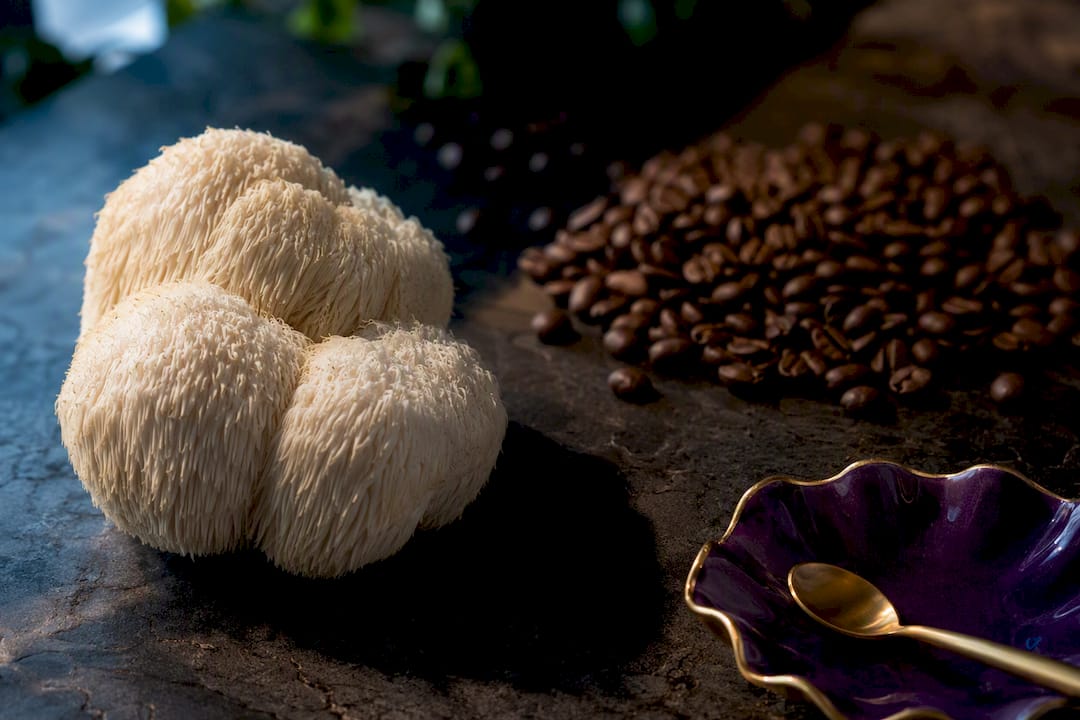 Minutes vs Weeks: Lion’s Mane vs Caffeine and Why Blends Underdose
Compare caffeine's 30–60 minute boost with Lion's Mane's 8–16 week effects. Learn why many mushroom