
Loading your cart...

Functional mushroom supplements are defined as concentrated extracts derived from the fruiting bodies of specific mushroom species, delivering bioactive compounds like beta-glucans and triterpenes that produce measurable physiological effects. These are not psychoactive substances. Adaptogenic effects support stress resilience, immune function, cognitive performance, and energy without altering perception or consciousness. The industry term “medicinal mushrooms” covers the same category, though “functional mushroom supplements” is the phrase most consumers search. Mycelialink specializes in this space, offering fruiting body extracts with verified compound content and third-party lab testing. Understanding what separates a genuinely effective product from a marketing-driven one starts with the compounds inside the capsule.
What makes functional mushroom supplements work?
The effectiveness of any mushroom supplement comes down to two things: the compounds present and how they were extracted. Beta-glucans are the primary immunomodulatory compounds in functional mushrooms. They bind to receptors on immune cells, triggering a cascade that primes the body’s defense response. Triterpenes, found in high concentrations in Reishi, act as adaptogens and anti-inflammatory agents at the cellular level.

Extraction method determines whether those compounds actually reach you. Dual extraction captures both water-soluble compounds like beta-glucans and fat-soluble compounds like triterpenes. Hot-water extraction alone misses the fat-soluble fraction entirely. That distinction matters because a supplement built only on hot-water extraction delivers an incomplete profile of the mushroom’s active chemistry.
The source material matters just as much as the extraction process. Most human research on medicinal mushrooms uses fruiting body extracts, not mycelium grown on grain. Mycelium-on-grain products contain high starch content from the growth substrate and low concentrations of beta-glucans. The result is a supplement that looks like a mushroom product on the label but performs like a starch filler in practice.
Pro Tip: Ask for a Certificate of Analysis before buying any mushroom supplement. A legitimate COA will disclose the exact beta-glucan percentage and confirm the absence of heavy metals and contaminants.
Quality assurance comes from Certificates of Analysis issued by independent third-party labs. These documents verify the active compound percentages and confirm safety testing. A product without a publicly available COA gives you no way to confirm what you are actually taking.
| Extraction Type | Compounds Captured | Best For |
|---|---|---|
| Hot-water extraction | Water-soluble beta-glucans | Immune support basics |
| Dual extraction | Beta-glucans and triterpenes | Full-spectrum potency |
| Mycelium-on-grain | Mostly starch, low beta-glucans | Not recommended |
Which types of functional mushroom supplements are most studied?
The research base for medicinal mushrooms is not uniform across species. A handful of mushrooms have randomized controlled trial evidence behind them. The rest have promising preliminary data but limited human studies.
Reishi, Cordyceps, and Turkey Tail are the three most clinically studied species. Multiple randomized controlled trials confirm Reishi’s effects on sleep quality and immune markers, Cordyceps’ impact on exercise performance and oxygen utilization, and Turkey Tail’s role in immune modulation and gut microbiome support. These are the species worth prioritizing if clinical evidence is your standard.

Reishi
Reishi supports immune function and stress adaptation through its high triterpene and beta-glucan content. Clinical studies use doses of 1–2g per day of fruiting body extract. Reishi is also one of the few mushrooms with consistent data on sleep quality improvement, making it a strong candidate for evening use.
Cordyceps
Cordyceps targets energy production at the cellular level by supporting ATP synthesis and oxygen uptake. Athletes and active people use it for stamina and recovery. Clinical dosing sits at 1–3g per day. The performance data is particularly strong for older adults, where Cordyceps supplementation shows measurable improvements in aerobic capacity.
Turkey Tail
Turkey Tail contains two well-researched polysaccharide compounds: PSK and PSP. Both support immune cell activity and have been studied alongside conventional cancer therapies in Japan and China. Turkey Tail also feeds beneficial gut bacteria, connecting immune health to the gut microbiome. Clinical doses range from 1–3g per day.
Lion’s Mane
Lion’s Mane stands apart as the primary mushroom for cognitive support. It stimulates production of Nerve Growth Factor, a protein that supports neuron maintenance and repair. Early human studies show improvements in mild cognitive impairment with consistent use. Mycelialink’s Lion’s Mane capsules use fruiting body extract with transparent dosing, which aligns with the clinical research standard.
Chaga
Chaga carries a strong antioxidant profile, driven by its high melanin and superoxide dismutase content. Human clinical data is limited compared to Reishi or Cordyceps. Chaga is best understood as a supportive antioxidant supplement rather than a primary therapeutic agent.
How do you choose a high-quality mushroom supplement?
The mushroom supplement market has a significant quality problem. Most commercial mushroom products sold in the US are mycelium-on-grain, which means low beta-glucan content and high starch. Knowing how to read a label protects you from paying premium prices for a substandard product.
-
Look for “fruiting body extract” on the label. This phrase tells you the product uses the part of the mushroom where bioactive compounds concentrate. If the label says “mycelium” without specifying “fruiting body,” treat it with skepticism.
-
Check for a disclosed beta-glucan percentage. The industry standard for potency is 25–40% beta-glucan content by weight. Products that list mushroom powder without a beta-glucan percentage are almost certainly not hitting that threshold.
-
Confirm dual extraction for full-spectrum products. If you want both the immune and adaptogenic benefits of a mushroom like Reishi, the product needs dual extraction. Hot-water-only products miss the triterpene fraction.
-
Request or verify a Certificate of Analysis. A COA from a third-party lab is the only objective confirmation that the label matches the contents. Mycelialink publishes lab-tested mushroom supplements with transparent compound disclosure.
-
Avoid vague proprietary blends. When a label lists a “mushroom blend” without individual species dosages, you cannot evaluate whether any single mushroom reaches a clinically relevant dose.
Pro Tip: A product listing 500mg of a “10:1 extract” sounds potent, but without a disclosed beta-glucan percentage, that ratio is meaningless. Always ask for the actual compound content, not the concentration ratio.
What are the dosing guidelines and safety considerations?
Consistent use over time is the defining factor in whether functional mushroom supplements produce results. Clinical benefits typically require 8–12 weeks of daily use at recommended doses. Taking a mushroom supplement for two weeks and concluding it “doesn’t work” is one of the most common mistakes people make.
Dosing by species based on clinical evidence:
- Reishi: 1–2g per day of fruiting body extract. Best taken in the evening given its calming properties.
- Cordyceps: 1–3g per day. Morning or pre-workout timing aligns with its energy-supporting mechanism.
- Turkey Tail: 1–3g per day. Can be taken with meals to support gut health alongside immune function.
- Lion’s Mane: 500mg–1g per day in early studies, though higher doses appear in more recent trials. Morning use supports focus during the day.
- Chaga: Dosing is less standardized in clinical literature. Most products use 500mg–1g per day as a general antioxidant dose.
Supplement formats include capsules, powders, and liquid extracts. Capsules offer convenience and precise dosing. Powders work well in coffee or smoothies but require accurate measuring. Liquid extracts have high bioavailability but vary widely in concentration.
Safety considerations are real and worth taking seriously. Functional mushroom supplements can interact with anticoagulants, immunosuppressants, and diabetes medications. Reishi, for example, has mild blood-thinning properties that compound the effect of anticoagulant drugs. Anyone on these medications should consult a healthcare provider before starting a mushroom supplement regimen. People with autoimmune conditions should also seek medical guidance, since immune-modulating compounds can have unpredictable effects in those contexts.
Key Takeaways
Functional mushroom supplements deliver real physiological benefits when sourced from fruiting body extracts with verified beta-glucan content of 25–40% and used consistently for 8–12 weeks at clinical doses.
| Point | Details |
|---|---|
| Fruiting body over mycelium | Fruiting body extracts contain the active compounds; mycelium-on-grain products are mostly starch. |
| Dual extraction matters | Only dual extraction captures both beta-glucans and triterpenes for full-spectrum potency. |
| Verify with a COA | Third-party Certificates of Analysis are the only reliable way to confirm compound content. |
| Consistency drives results | Clinical benefits require 8–12 weeks of daily use at species-specific recommended doses. |
| Safety requires disclosure | Mushroom supplements interact with anticoagulants, immunosuppressants, and diabetes medications. |
What I’ve learned after years of watching this market evolve
The functional mushroom space has a credibility problem that the industry created for itself. Brands rushed to capitalize on consumer interest in natural wellness without doing the hard work of sourcing quality fruiting body material or funding extraction processes that actually preserve active compounds. The result is a market flooded with products that carry impressive labels and deliver little.
The most common mistake I see is consumers treating all mushroom supplements as interchangeable. They buy the cheapest option, notice nothing after a few weeks, and conclude that functional mushrooms are overhyped. The product failed them. The category did not. A mycelium-on-grain capsule with no disclosed beta-glucan content is not a functional mushroom supplement in any meaningful sense. It is a starch capsule with a mushroom photo on the front.
What actually works is straightforward: fruiting body extract, dual extraction where the species warrants it, a disclosed beta-glucan percentage in the 25–40% range, and a COA from a lab that has no financial relationship with the brand. That combination is rare in the mass market. It is not rare among brands that built their reputation on transparency rather than marketing spend.
The other thing I would tell anyone starting with medicinal mushrooms is to pick one species with a clear goal. Reishi for sleep and stress. Cordyceps for energy and performance. Lion’s Mane for focus and cognitive support. Stacking five mushrooms in week one tells you nothing about what is working. Start specific, stay consistent for three months, and then evaluate.
— Travis
Mycelialink’s mushroom supplements: quality you can verify
Mycelialink built its mushroom supplement line around one standard: every product must be something you can verify before you buy it.

Every mushroom supplement in the Mycelialink catalog uses fruiting body extracts with disclosed beta-glucan content and third-party lab testing. Formats include capsules and powders, covering species like Lion’s Mane, Reishi, Cordyceps, and Turkey Tail at clinically relevant doses. There are no proprietary blends hiding underdosed ingredients. The COA is available, the dosing is transparent, and the pricing reflects a commitment to access rather than markup. If you are ready to move from curiosity to a supplement you can trust, the Mycelialink shop is the place to start.
FAQ
What are functional mushroom supplements?
Functional mushroom supplements are concentrated extracts from mushroom fruiting bodies containing bioactive compounds like beta-glucans and triterpenes. They support immune function, cognitive health, energy, and stress resilience without psychoactive effects.
How do functional mushrooms differ from regular mushrooms?
Functional mushrooms are selected for their pharmacologically active compound profiles and processed through extraction to concentrate those compounds. Regular culinary mushrooms are not extracted or standardized for bioactive content.
How long does it take for mushroom supplements to work?
Clinical evidence shows that consistent daily use over 8–12 weeks at recommended doses is required to observe measurable benefits. Short-term use at lower doses produces limited results.
Are functional mushroom supplements safe to take daily?
Fruiting body extracts at clinical doses are generally well tolerated for daily use. People taking anticoagulants, immunosuppressants, or diabetes medications should consult a healthcare provider before use, as interactions are documented.
What should I look for on a mushroom supplement label?
Look for “fruiting body extract,” a disclosed beta-glucan percentage of 25–40%, dual extraction notation, and a third-party Certificate of Analysis. Avoid products listing only “mushroom powder” with no compound disclosure.
Recommended
Categories:
Related Posts
 6 Step Regulatory Checklist to Verify Country of Origin for Supplements
Learn what "country of origin" actually means for supplements, why "Made in USA" can mislead,
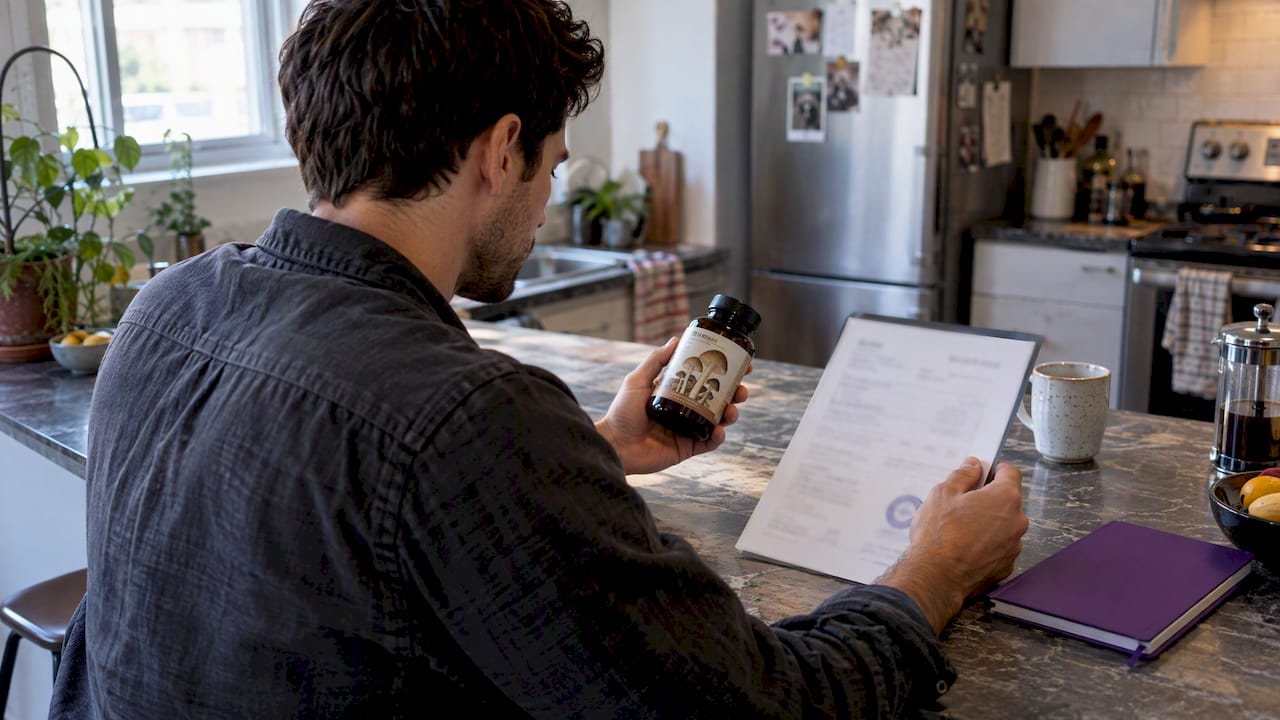 Buyers: Demand These 8 COA Proofs for Mushroom Supplement Purity
Follow eight lab-backed COA checks buyers must demand before purchasing mushroom supplements: lot-matched COAs, beta-glucan
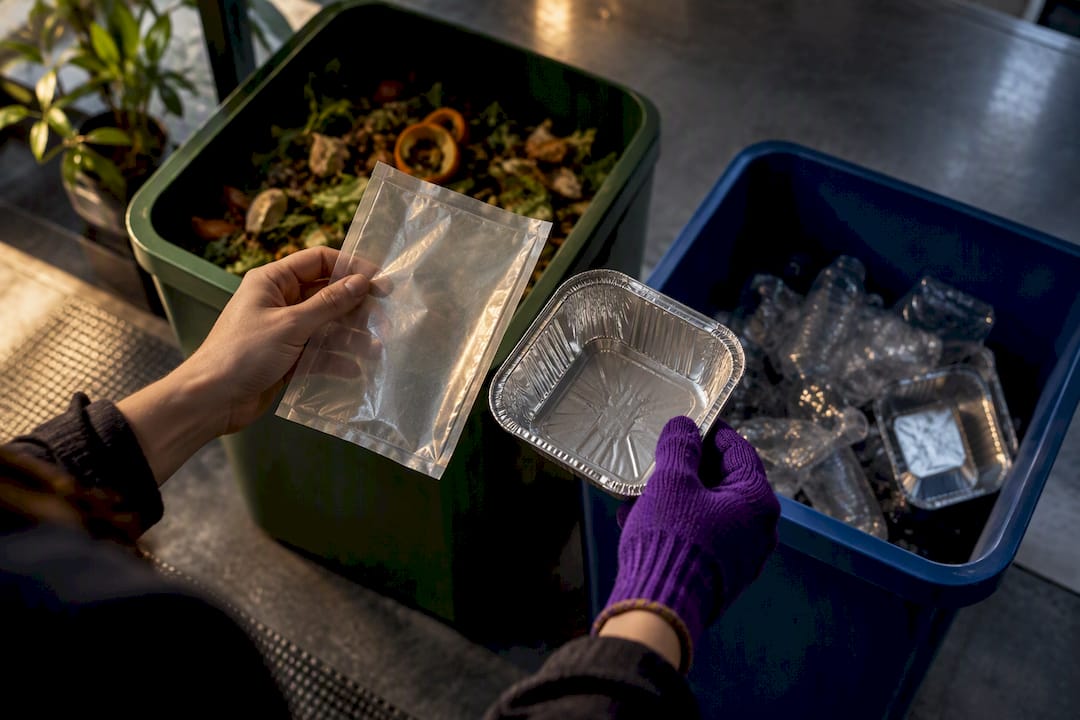 Local Infrastructure Decides Compostable vs Recyclable Packaging
Decide by what your community can actually process. Learn when certification matters, contamination risks, and